How Aurora Tree Service Helps You Attract Beautiful Birds to Your Yard
There's something special about waking up to birdsong outside your window. A flash of red from a cardinal, the bright blue of a jay, or the busy flutter of finches at a feeder turns an ordinary yard into a living, breathing landscape. The secret to drawing those birds in isn't just a feeder or a birdbath—it starts with the trees you plant.
That's where Aurora Tree Service comes in. As your local tree experts, the team helps homeowners choose, place, and care for trees that attract a wide variety of beautiful birds. In this guide, you'll learn which trees birds love, how placement shapes activity, why healthy trees matter, and how local expertise makes the whole process simple.
Why Certain Trees Attract Specific Bird Species
Birds don't pick a tree at random. They look for food, shelter, and safe places to nest, and different trees offer different combinations of all three. Understanding what each species wants helps you plant with purpose. Some birds eat seeds, others feast on berries, and many depend on the insects that live in and around a tree's bark and leaves.
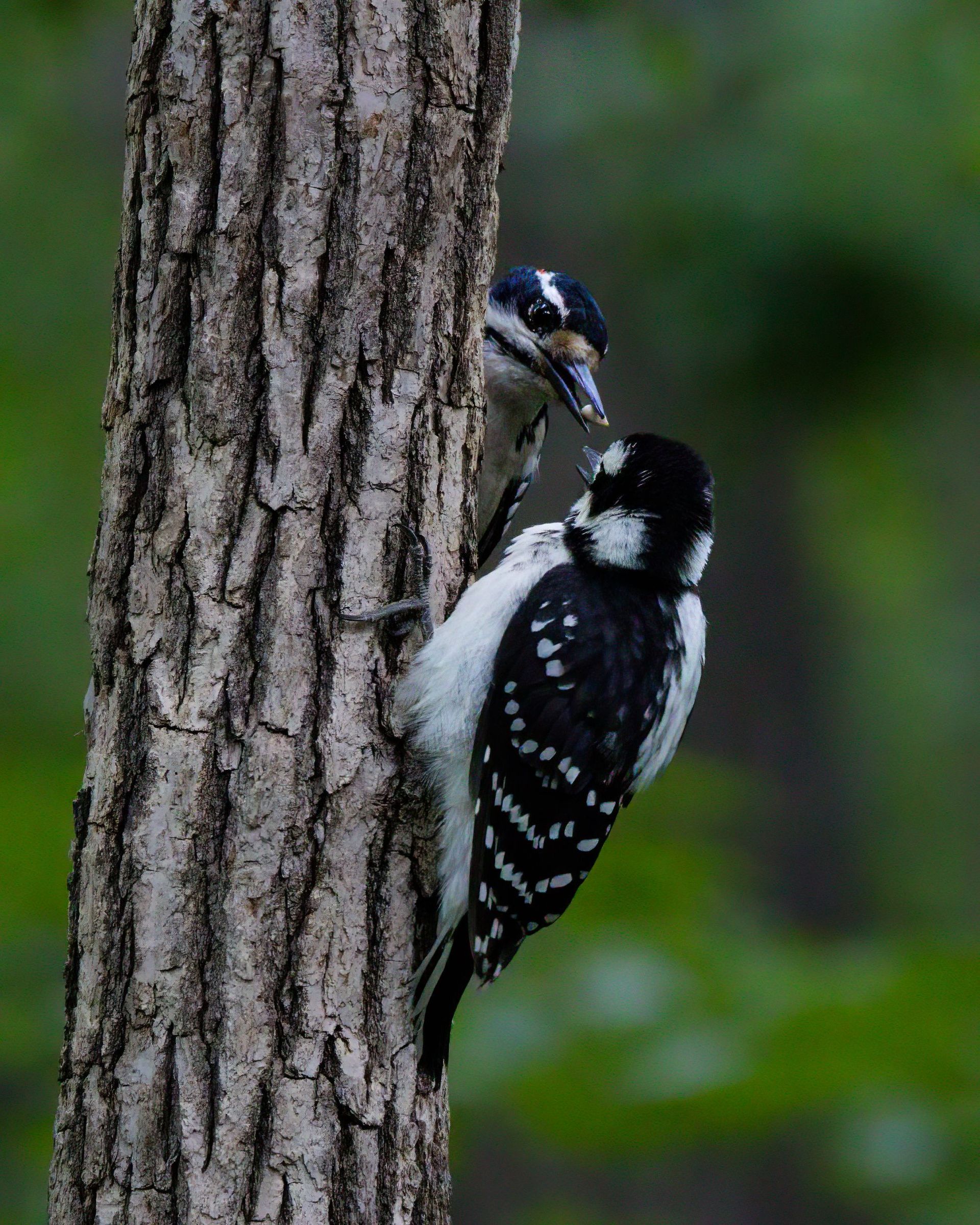
A tree that produces fruit in late summer will draw a completely different crowd than one that offers dense evergreen cover through winter. Here's the simple version: match the tree to the bird, and the birds will come. Cardinals and waxwings flock to berry-rich trees. Woodpeckers seek out mature trees full of insects. Hummingbirds chase nectar-producing blooms. When you offer the right resources, your yard becomes a destination.
Popular Bird-Friendly Trees for Your Yard
Not every tree pulls its weight when it comes to attracting birds. The best choices provide food, cover, and nesting sites across multiple seasons. Here are the categories that deliver the most birdlife.
Fruit-Bearing Trees
Fruit trees are bird magnets. Serviceberry, crabapple, and wild cherry produce small fruits that songbirds adore. Robins, orioles, and waxwings will visit again and again when these trees ripen, often stripping a tree clean within days.
Berry-Producing Trees and Shrubs
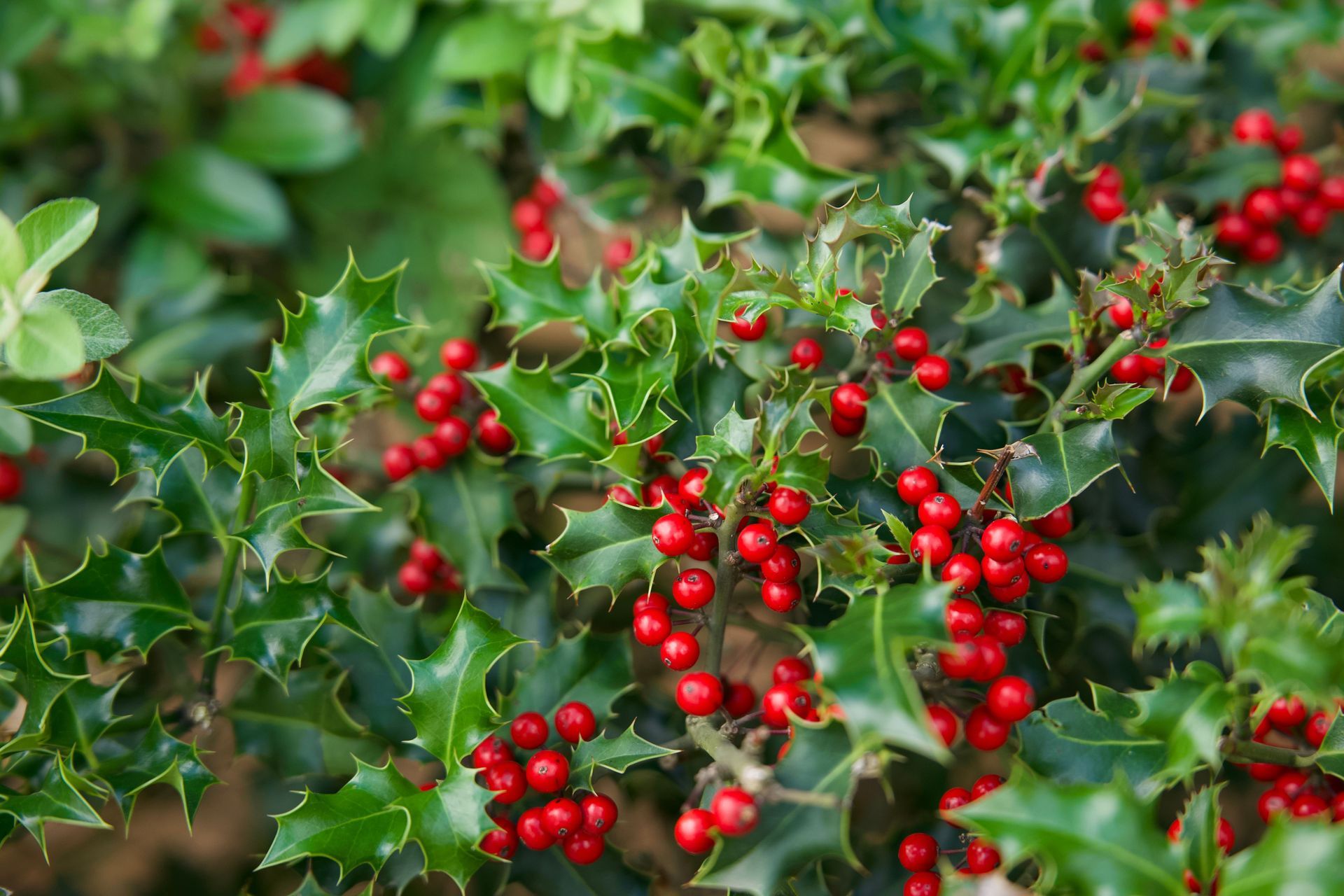
Berries are a year-round buffet. Dogwood, holly, mulberry, and hawthorn offer fruit that lasts well into fall and winter, when other food grows scarce. That timing makes them especially valuable for birds that stick around through the cold months.
Native Trees
Native trees are the backbone of any bird-friendly yard. They've evolved alongside local birds and insects, which means they support the food web your birds depend on. Oaks, for example, host hundreds of insect species that feed nesting birds and their young. Maples, willows, and native pines all earn their place too.
Nut-Producing Trees
Oaks, hickories, and beeches produce nuts and acorns that feed jays, woodpeckers, nuthatches, and titmice. These larger trees also offer excellent nesting cavities as they mature, giving birds a place to raise their families.
Evergreens for Shelter
Pines, spruces, and cedars provide dense, year-round cover. Birds use them to escape predators, ride out storms, and stay warm in winter. Evergreens also make popular nesting spots thanks to their thick, protective branches.
Quick tip: Aim for a mix. A yard with fruit, berries, nuts, and evergreen cover will attract far more variety than one tree type alone.
How Tree Placement and Landscaping Shape Bird Activity
Choosing the right trees is only part of the picture. Where you plant them—and how they fit into your overall landscape—has a huge effect on how birds use your yard. Birds feel safest when they can move between layers of vegetation. A yard with tall trees, smaller understory trees, shrubs, and ground cover gives them places to perch, feed, and hide. This layered approach, sometimes called vertical structure, mimics the natural habitats birds prefer. Placement matters for a few key reasons:
- Cover near feeders and baths. Birds want a quick escape route. Planting trees and shrubs within a short flight of feeders gives them somewhere to dart when a hawk appears.
- Grouping for habitat. Clusters of trees create more inviting habitat than single, scattered specimens. Groupings offer better protection and more food in one spot.
- Sunlight and spacing. Trees need room to grow into healthy, productive specimens. Crowded trees compete for light and water, which reduces fruit and berry production.
- Edge appeal. Birds love the transition zones where open lawn meets denser plantings. Designing these edges thoughtfully boosts activity.
Aurora Tree Service helps you plan placement that balances bird habitat with the look and function of your yard, so you get both beauty and birdlife.
Why Tree Health and Maintenance Keep Birds Coming Back
A bird-friendly yard isn't a one-time project. Trees need ongoing care to keep producing the food and shelter that birds depend on. Healthy trees mean more fruit, more insects, sturdier nesting branches, and denser cover. Neglected trees, on the other hand, can become liabilities. Disease, pests, and weak limbs reduce a tree's ability to support wildlife—and can pose safety risks to your home. Smart maintenance supports both your trees and your birds:
- Thoughtful pruning. Proper pruning keeps trees healthy and strong without stripping away the cover and nesting sites birds rely on. Timing matters, too—pruning outside of nesting season protects active nests.
- Pest and disease management. Catching problems early keeps trees productive. A healthy tree fights off pests better and keeps producing food.
- Soil and watering care. Strong roots build strong trees. Good soil health translates directly into more fruit and berries.
- Removing hazards safely. Sometimes a dead or dying tree must go. Interestingly, a carefully managed snag (a standing dead tree) can attract woodpeckers and cavity-nesting birds—Aurora Tree Service can advise when to keep one and when removal is the safer choice.
Regular care keeps your yard's habitat thriving year after year, so the birds you attract keep coming back.
How Aurora Tree Service's Local Expertise Helps You Choose
Picking the right trees from a nursery catalog is harder than it looks. The wrong species might struggle in your soil, fail to fruit, or overwhelm a small space. Local knowledge makes all the difference. Aurora Tree Service understands the trees that thrive in your climate and the birds that live in your area. That combination lets the team recommend species that will actually perform—and attract the birds you want to see. Here's how the team guides you through the process:
- Assessing your yard. They start by looking at your space, soil, sunlight, and existing trees to understand what will grow well and where.
- Matching trees to your goals. Want more songbirds? Hoping to draw hummingbirds or woodpeckers? The team recommends species suited to the birds you're after.
- Planning placement and layering. They design plantings that create the layered habitat birds love while complementing your landscape.
- Planting and ongoing care. From proper planting to seasonal pruning and health checks, Aurora Tree Service keeps your trees—and your bird habitat—in top shape.
The result is a yard built for birds and built to last, guided by people who know your area inside and out.
Common Mistakes to Avoid
A few simple missteps can keep birds away. Watch out for these:
- Planting only one type of tree. Variety attracts variety. A single species limits the birds you'll see.
- Skipping native plants. Non-native trees often support far fewer insects and birds than natives do.
- Pruning during nesting season. Heavy pruning in spring can destroy active nests. Time your trimming carefully.
- Ignoring cover. Feeders without nearby trees or shrubs leave birds exposed and nervous.
- Letting trees decline. Unhealthy trees produce less food and fewer safe perches. Regular care matters.
Avoiding these pitfalls sets your yard up to become a true bird haven.
Frequently Asked Questions
What trees attract the most birds?
Native fruit and berry-producing trees like serviceberry, dogwood, crabapple, and holly tend to attract the widest range of birds. Oaks are also excellent because they support hundreds of insect species that feed nesting birds.
How long until birds start visiting new trees?
Some birds will explore new trees right away, especially for shelter. Fruit and berry production usually takes a few seasons as the tree matures, so food-based activity builds over time.
Can I attract birds in a small yard?
Absolutely. Even a few well-chosen trees and shrubs can draw birds. Aurora Tree Service can recommend compact, bird-friendly species that fit smaller spaces without crowding them.
Do I need to remove dead trees, or can they help birds?
It depends. A dead tree, or snag, can attract woodpeckers and cavity-nesting birds, but it may also pose a safety risk. Aurora Tree Service can assess whether to keep it or remove it safely.
When is the best time to plant bird-friendly trees?
Early spring and fall are usually ideal, since cooler temperatures help trees establish strong roots. The team can recommend the best timing for your specific trees and climate.
Will attracting birds increase pests in my yard?
Quite the opposite. Many birds eat large numbers of insects, helping keep pest populations in check naturally.
Bring Beautiful Birds to Your Yard
The right trees do more than add shade and curb appeal—they transform your yard into a thriving habitat full of color, song, and life. From fruit and berry trees to native species and protective evergreens, thoughtful choices and proper care make all the difference. The smartest first step is expert guidance. Aurora Tree Service helps you choose, place, and maintain the trees that turn an ordinary yard into a bird lover's paradise. Contact Aurora Tree Service today to talk through your goals and start building a yard the birds will love—season after season.
Meta Title: Attract Beautiful Birds to Your Yard | Aurora Tree Service
Meta Description: Discover how Aurora Tree Service helps you choose, place, and maintain bird-friendly trees that attract beautiful birds to your yard. Contact us today.