
Building Strong Tree Stems With Aurora Tree Service

Grant Cool • April 18, 2026

When you look at a massive oak or a towering pine, you probably admire the lush canopy of leaves or the sprawling branches. However, the true foundation of any healthy tree lies in its stem or trunk. The stem acts as the central highway for water and nutrients, while also bearing the massive physical weight of the entire canopy. If a tree develops a weak or compromised stem, the whole structure becomes a severe liability to your property. Many property owners assume trees simply grow strong on their own. While this might happen in a dense, natural forest, trees planted in residential yards face unique environmental stress.


Poor soil, physical damage, and crowded growing spaces constantly threaten their structural integrity. Developing thick, sturdy stems requires proactive care and professional attention. At Aurora Tree Service, we specialize in cultivating resilient, healthy trees from the ground up. We know exactly what your trees need to build dense wood and strong central leaders. In this comprehensive guide, we will explore the critical roles of pruning, fertilization, pest control, and structural support. You will discover exactly how our tailored tree care solutions ensure your landscape thrives for generations.


Why Strong Stems Matter for Your Trees

The stem serves two primary functions that keep a tree alive and standing. First, it provides the physical structure necessary to hold the canopy up toward the sunlight. Hardwood fibers inside the trunk must constantly resist gravity, high winds, and the extreme weight of ice or snow. If the stem lacks density or develops structural flaws, the tree can easily snap during a severe storm. Second, the stem houses the complex vascular system of the tree.


Just beneath the bark lies the xylem and phloem, which transport water from the roots and sugars from the leaves. Any damage to this delicate system immediately starves the tree. Maintaining a healthy stem ensures these vital pathways remain open and functional. Aurora Tree Service understands the biology behind wood development. We focus our care plans on promoting excellent vascular health and structural stability. When you invest in the trunk, you invest in the long-term survival of the entire tree.


Proper Pruning Promotes Robust Growth

Most people think of pruning merely as a way to make a tree look tidy. In reality, strategic pruning directly impacts the thickness and strength of the main stem. When a tree wastes energy supporting dead, dying, or poorly attached branches, it neglects its core structure. We use precise pruning techniques to redirect the tree's vital energy exactly where it belongs. This careful management encourages the tree to build a dominant, sturdy trunk.


Removing Dead and Diseased Wood

Dead branches act as open invitations for rot and decay to enter the main stem. Once a fungal infection moves from a dead branch into the trunk, it begins eating away at the healthy wood. This internal decay creates massive hollow cavities that compromise the entire tree. Our expert arborists carefully identify and remove these dangerous branches. We make clean, precise cuts just outside the branch collar. This technique allows the tree to heal over the wound quickly, sealing the main stem off from external pathogens.


Shaping for Structural Integrity

Young trees often try to grow multiple main stems, known as co-dominant leaders. While this might look interesting, these V-shaped junctions are incredibly weak. As the tree grows, bark gets trapped between the competing stems, preventing them from fusing together properly. Aurora Tree Service corrects these structural flaws early in the tree's life. We subordinate competing branches and establish a single, strong central leader. This dominant stem will grow much thicker and denser, providing a secure anchor point for all the lateral branches.


Deep Root Fertilization for Stem Strength

Trees growing in urban or suburban environments rarely get the nutrients they need naturally. In a forest, decaying leaves and organic matter constantly replenish the soil. In your yard, you likely rake up the leaves and grow thick turfgrass that aggressively steals nutrients and water away from your trees. Without the right building blocks, a tree cannot produce strong, dense wood fibers. Our deep root fertilization services deliver exactly what your trees desperately crave.


Delivering Essential Nutrients

We inject specialized, slow-release fertilizers directly into the root zone of the tree. This liquid solution bypasses the competing grass roots on the surface. We provide the perfect balance of nitrogen, phosphorus, potassium, and vital micronutrients required for robust cellular growth. When a tree has abundant resources, it pushes more energy into expanding its girth. The annual growth rings grow wider, and the overall density of the stem increases. This translates directly to a stronger trunk that can easily withstand harsh weather conditions.


Improving Soil Conditions

In many residential areas, heavy construction equipment severely compacts the soil long before you ever move in. Compacted soil crushes the tiny feeder roots and suffocates the tree. The stem cannot grow if the roots cannot breathe or absorb water. Our deep root feeding process actually breaks up this hard, compacted soil. The high-pressure liquid injections create microscopic channels that allow oxygen and water to reach the root system. Better soil aeration leads directly to more vigorous above-ground growth.


Protecting Stems from Pests and Disease

Even the strongest tree can fall victim to microscopic fungi or tiny insects. The bark serves as the tree's skin, protecting the delicate vascular tissues inside. When pests breach this armor, the results are often devastating. Aurora Tree Service implements highly effective, environmentally responsible pest control strategies. We stop these hidden threats before they can destroy the structural integrity of your stems.


Identifying Bark-Boring Insects

Bark beetles and wood-boring insects specifically target the main stem of a tree. They lay their eggs inside the bark. When the larvae hatch, they chew winding galleries right through the vascular tissue. This feeding frenzy cuts off the flow of water and nutrients entirely. We know exactly how to spot the early warning signs of a borer infestation. Our arborists look for tiny exit holes, sawdust accumulations, and weeping sap on the trunk. We apply targeted systemic treatments that eliminate the pests without harming beneficial insects or the surrounding environment.


Fungal Infections and Wood Decay

Fungal spores float through the air constantly, waiting for a wound on a tree stem to land on. Once established, fungi break down the cellulose and lignin that make wood strong. You might notice large mushrooms growing at the base of the trunk or strange conks protruding from the bark.

By the time you see these fungal fruiting bodies, significant internal decay has already occurred. We routinely inspect your trees for signs of disease. We utilize advanced treatments to halt fungal spread and advise you on how to adjust your watering habits to keep the stem dry and healthy.


Structural Support for Growing Trees

Sometimes, a tree needs physical help to remain standing while it builds stem strength. High winds, heavy fruit loads, or an uneven canopy can put immense strain on a developing trunk. Aurora Tree Service provides professional mechanical support to keep your trees safe from catastrophic failure. We use industry-approved hardware to brace weak points and guide the tree toward healthy growth patterns.


Cabling and Bracing Techniques

If an older tree has a heavy, leaning stem or a weak branch junction, we can install high-strength steel cables and braces. These systems limit the movement of the tree during high winds. By restricting this violent motion, we prevent the stem from snapping or splitting down the middle. Cabling does not harm the tree. Instead, it acts as a shock absorber, distributing the massive weight of the canopy more evenly across the entire structure. We carefully calculate the dynamic load and install the cables precisely where they will do the most good.


Staking Young Trees Correctly

Newly planted trees often lack the root structure necessary to hold their stems upright. While staking provides essential support, doing it incorrectly actually weakens the tree. If you tie a tree too tightly, the stem never experiences wind resistance. Without that resistance, the tree never bothers to build strengthening wood fibers. Our experts stake young trees loosely, allowing the stem to sway gently in the breeze. We use soft, wide straps that will not cut into the delicate bark. We also monitor the tree and remove the stakes at the exact right time, ensuring the stem grows thick and completely independent.


Tailored Tree Care Solutions From Aurora Tree Service

Every single tree on your property faces a unique set of challenges. A mature oak requires completely different care than a newly planted maple. You cannot rely on a one-size-fits-all approach when it comes to living organisms. When you partner with Aurora Tree Service, you receive a highly customized care plan. We thoroughly evaluate the soil conditions, the sun exposure, and the specific species of every tree in your yard. We build a comprehensive strategy designed specifically to promote dense, healthy stem growth for your unique landscape. Our certified arborists bring years of intensive training and hands-on experience to your property. We treat your trees with the same respect and dedication that we would apply to our own homes.


Partner With Us for Lasting Tree Health

A tree with a weak stem constantly threatens your home, your vehicles, and your personal safety. You do not have to wait for a severe storm to reveal the hidden structural flaws in your canopy. Proactive care ensures your trees grow strong, healthy, and beautiful for decades to come.

Proper pruning, deep root fertilization, pest management, and mechanical support all work together to build incredible stem strength.


Aurora Tree Service delivers these vital services with professionalism, efficiency, and deep expertise. We handle the hard work so you can simply enjoy the natural beauty of your thriving landscape. Do not leave the health of your largest landscape investments to chance. Contact Aurora Tree Service today to schedule a comprehensive evaluation of your property. Let our dedicated team show you exactly how we can protect your trees, build strong stems, and keep your yard looking magnificent all year round.


Meta Information

Meta title: Building Strong Tree Stems With Aurora Tree Service
Meta description:
Discover how Aurora Tree Service builds strong tree stems through expert pruning, fertilization, and pest control to keep your landscape healthy and safe.
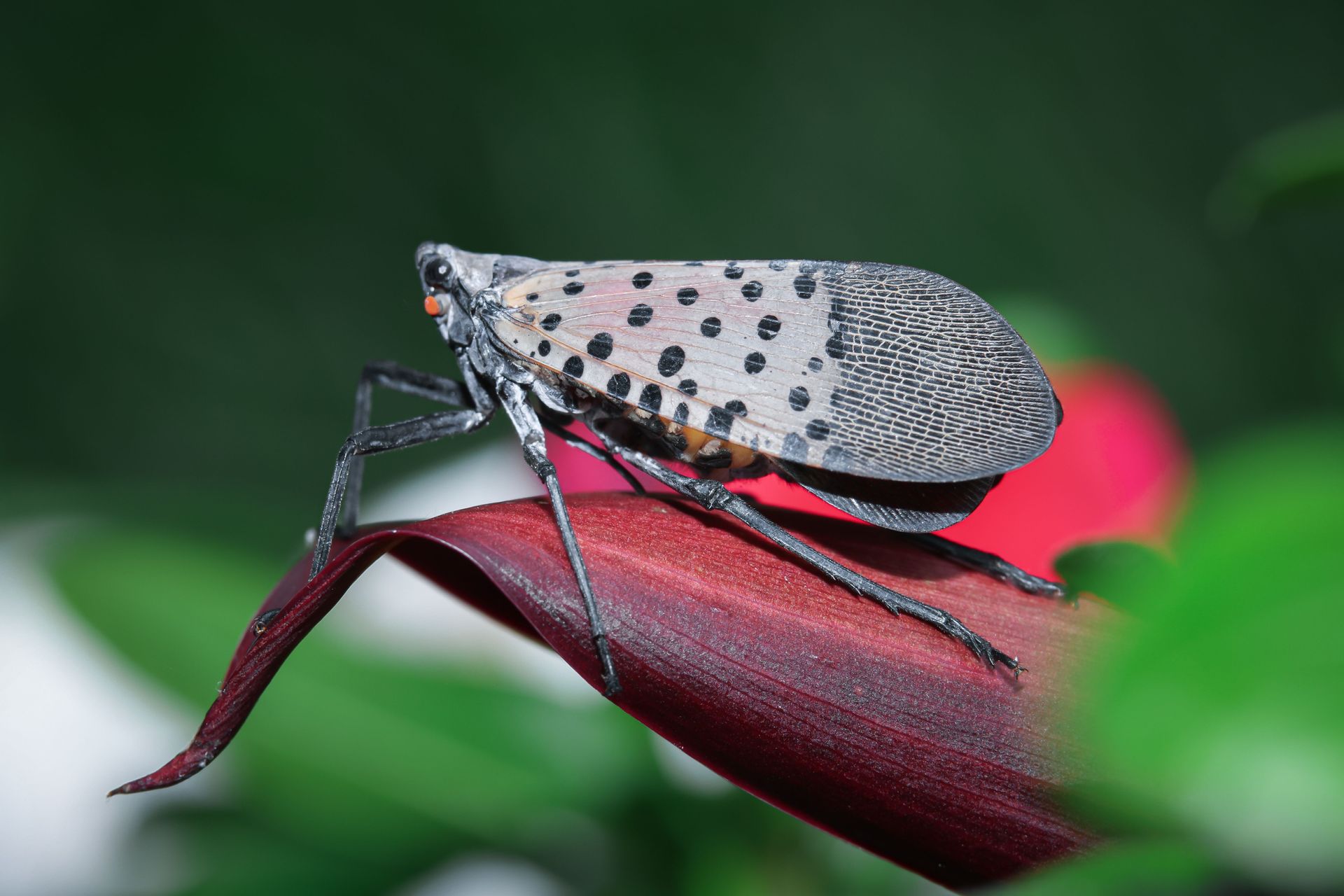
Spotted planthopper on a red flower petal with a blurred green background
By Grant Cool August 4, 2026
A single insect can change the health of your entire landscape. The spotted lanternfly is exactly that kind of threat—small enough to overlook, yet capable of stressing trees, coating your property in sticky residue, and spreading faster than most homeowners expect. The good news? Knowledge is your first line of defense, and that's where we come in. At Aurora Tree Service, we help property owners recognize this invasive pest, understand the damage it causes, and take smart, effective action. In this guide, you'll learn what the spotted lanternfly is, how to identify it through every life stage, which trees it targets, the warning signs to watch for, and the practical steps you can take. By the end, you'll know exactly what you're dealing with and how professional care makes the difference. What Is the Spotted Lanternfly and Where Did It Come From? The spotted lanternfly is an invasive planthopper native to parts of Asia, including China, India, and Vietnam. It first appeared in the United States around 2014 and has been spreading through region after region ever since. Despite the name, it isn't a fly at all—it's a sap-feeding insect that pierces trees and plants to drink their fluids. Because it has few natural predators here, its populations can explode quickly once it settles into an area. What makes this pest especially frustrating is how easily it hitches a ride. The insects lay their egg masses on almost any flat surface: tree bark, firewood, outdoor furniture, vehicles, and equipment. Move an infested item across town or across state lines, and you may unknowingly carry the problem with you. Worth knowing: The spotted lanternfly is a strong jumper but a weak flier. Most of its long-distance travel happens because people accidentally transport egg masses—which is why inspection and awareness matter so much. How to Identify the Spotted Lanternfly at Each Life Stage Spotting this pest early depends on knowing what it looks like as it grows. The spotted lanternfly changes appearance dramatically over a single season, so it helps to recognize each phase. Egg Masses (Fall Through Spring) Egg masses appear from late fall into spring and are easy to miss. Freshly laid, they look like a smear of gray or tan mud with a waxy coating. As that coating wears away, you'll see rows of small, seed-like eggs lined up in neat columns. A single mass can hold 30 to 50 eggs. Early Nymphs (Spring to Early Summer) The first nymphs are black with bright white spots, roughly the size of a pencil eraser. They're active climbers and often cluster on stems and leaves as they feed. Late Nymphs (Mid-Summer) As they mature, nymphs turn a striking red with black markings and white spots. They're larger now and more noticeable, especially in groups. Adults (Late Summer Through Fall) The adult is the stage most people recognize. At rest, it shows grayish forewings dotted with black spots. When it opens its wings, a flash of bright red with black and white patches appears underneath. Adults are about an inch long and become highly visible in late summer, when they gather in large numbers and begin laying eggs. Worth knowing: If you find one adult, there are almost certainly more nearby. These insects rarely travel alone, so a single sighting is a signal to look closer. Which Trees and Plants Are Most at Risk The spotted lanternfly feeds on more than 70 species of plants, which is part of what makes it so damaging. That said, certain hosts sit squarely at the top of its menu. Tree of Heaven (Ailanthus altissima). This invasive tree is the pest's preferred host and a magnet for infestations. Where it grows, lanternflies tend to follow. Fruit trees. Apple, cherry, plum, and peach trees are frequent targets, which makes this pest a serious concern for orchards and backyard growers alike. Grapevines. Vineyards face heavy losses, as lanternflies swarm and weaken the vines. Hardwoods. Maple, walnut, willow, and birch are all vulnerable and common across residential properties. Ornamentals and other plants. Hops, roses, and a range of landscape plants can also come under attack. Because so many valuable trees appear on this list, no property owner should assume they're in the clear. The Damage This Pest Causes The spotted lanternfly doesn't chew leaves or bore into wood the way some pests do. Instead, it inserts its mouthparts and drains sap—and that quiet feeding creates a chain of problems. Tree stress and decline. Feeding in large numbers robs a tree of the resources it needs. Over time, this can lead to reduced growth, wilting, dieback, and weakened resistance to other threats. Sticky honeydew. As the insects feed, they excrete a sugary substance called honeydew. It coats leaves, branches, decks, patios, and anything beneath the infestation, leaving a sticky mess that attracts wasps and other insects. Sooty mold. Honeydew fuels the growth of a black fungus called sooty mold. This mold blankets surfaces, blocks sunlight from reaching leaves, and further stresses the plant while creating an unsightly buildup. Compounded vulnerability. A tree already weakened by lanternfly feeding becomes an easier target for disease and other pests, accelerating its decline. Signs of Infestation to Watch For Catching an infestation early gives you far more control. Keep an eye out for these telltale clues on and around your trees. Visible insects. Clusters of nymphs or adults on trunks, stems, and branches are the clearest sign. Egg masses. Gray, mud-like patches on bark, fences, or outdoor surfaces point to next season's population. Sticky surfaces. A shiny, tacky film on leaves, furniture, or pavement beneath a tree signals honeydew. Black sooty mold. Dark, sooty patches on trunks, leaves, or the ground below often follow heavy feeding. Weeping sap. Wounds where insects feed may ooze sap and give off a slightly fermented smell. Increased insect activity. Wasps, bees, and ants drawn to honeydew can hint at an infestation you haven't spotted yet. Steps Homeowners Can Take You're not powerless against this pest. A few consistent habits go a long way toward protecting your property. Learn to identify it. Simply knowing what egg masses, nymphs, and adults look like puts you ahead of most infestations. Scrape egg masses. In fall and winter, carefully scrape egg masses into a bag or container with rubbing alcohol or hand sanitizer to destroy them before they hatch. Remove Tree of Heaven where appropriate. Since this invasive tree draws lanternflies, managing it can reduce their presence. This is best handled with professional guidance. Inspect before you move things. Check vehicles, firewood, furniture, and equipment for egg masses before transporting them, especially between regions. Report sightings. In many areas, local agriculture departments track this pest. Reporting helps regional management efforts. Act early. The moment you suspect an infestation, reach out for a professional assessment rather than waiting to see how bad it gets. Worth knowing: Store-bought sprays and DIY traps often fall short against heavy populations and can harm beneficial insects if used carelessly. A targeted, professional approach protects your trees and your surrounding ecosystem. How Professional Tree Service Plays a Key Role Understanding the spotted lanternfly is one thing—managing it effectively across a full property is another. That's where our expertise earns its place. At Aurora Tree Service, we bring a trained eye to every inspection. We identify infestations early, assess how much stress your trees are carrying, and pinpoint the host plants driving the problem. From there, we build a management plan suited to your specific landscape rather than a one-size-fits-all fix. Our team applies proven, targeted treatments that address the pest while safeguarding the health of your trees. We handle the removal of high-risk host trees safely, manage egg masses across hard-to-reach areas, and monitor your property over time so a knocked-back infestation doesn't quietly return. Just as important, we help you understand what's happening on your land, so you can make confident decisions season after season. The spotted lanternfly is persistent, but so are we. Combining professional treatment with the right long-term strategy gives your trees the strongest possible defense. Frequently Asked Questions Is the spotted lanternfly dangerous to people or pets? No. It doesn't bite or sting, and it poses no direct threat to humans or animals. The danger is to your trees, plants, and the surfaces coated by its honeydew. Will the spotted lanternfly kill my trees? It can, though outcomes vary. Healthy hardwoods often survive with proper care, while grapevines and some fruit trees are far more vulnerable. Prolonged, heavy feeding weakens any host and leaves it open to further decline. Should I remove Tree of Heaven from my property? Often, yes, since it's the pest's favorite host. That said, removal should be done carefully and with professional guidance, as improper cutting can actually encourage the tree to regrow more aggressively. Can I get rid of the spotted lanternfly on my own? You can help by scraping egg masses and staying alert, but heavy infestations usually call for professional treatment. Doing it right protects your trees and avoids harming beneficial insects in the process. When is the best time to treat for spotted lanternfly? Management works year-round in different ways—scraping egg masses in the colder months and targeting nymphs and adults through the growing season. An assessment helps determine the right timing for your property. How do I know if I have an infestation? Look for the insects themselves, gray egg masses, sticky honeydew, and black sooty mold. If any of these show up, a professional inspection will confirm the extent of the problem. Protect Your Trees With Aurora Tree Service The spotted lanternfly spreads quickly, feeds relentlessly, and threatens some of the most valuable trees on your property. But with early identification, smart action, and expert support, you can keep this invasive pest in check and your landscape thriving. That's exactly what we do best. Aurora Tree Service helps you recognize the threat, assess the damage, and put a proven management plan in place—backed by the knowledge and skill your trees deserve. From inspection to treatment to long-term monitoring, we stand with you through every season. Contact Aurora Tree Service today to schedule an inspection or talk through your concerns—and let's protect your trees before this pest takes hold. Meta Title: Spotted Lanternfly on Your Property? Here's What You Need to Know | Aurora Tree Service Meta Description: Learn to identify the spotted lanternfly, the trees it threatens, and the damage it causes. Aurora Tree Service helps you spot, manage, and stop this invasive pest.
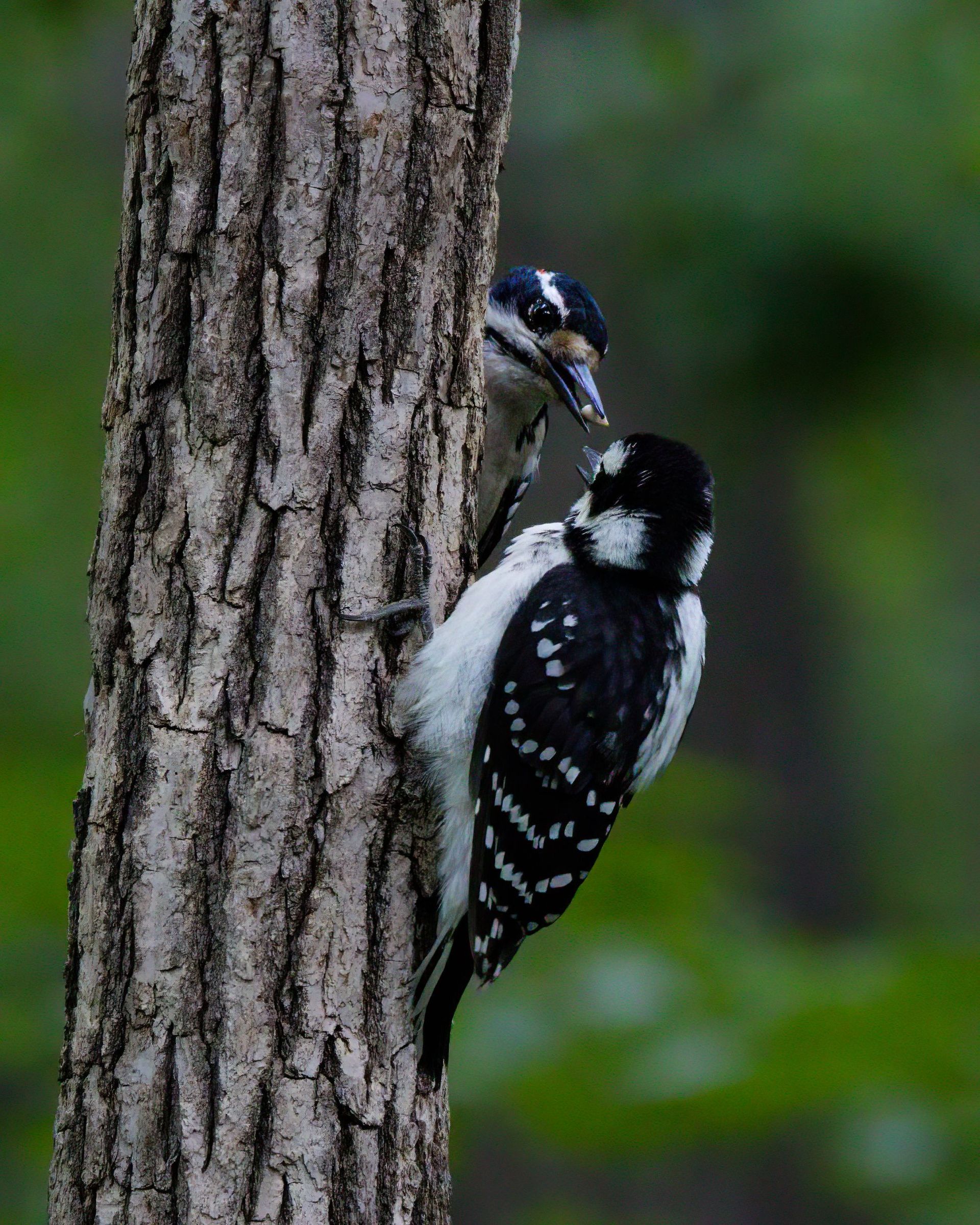
Two woodpeckers clinging to a tree trunk, one peeking from a nest hole.
By Grant Cool July 30, 2026
That rhythmic tapping echoing through your yard is one of nature's most recognizable sounds. Woodpeckers are remarkable birds—clever, hardworking, and surprisingly beneficial to the landscape around them. But if you've noticed rows of neat holes drilled into your favorite maple or oak, you might be wondering whether these feathered visitors are helping your trees or slowly harming them. The honest answer is both. Woodpeckers can be a sign of a healthy ecosystem and a warning that something's wrong with your tree. In this guide, you'll learn the real benefits woodpeckers bring, the genuine risks they pose, and practical steps to protect your trees. By the end, you'll know exactly when a little tapping is harmless—and when it's time to call in a professional. What Draws Woodpeckers to Your Trees? Before weighing pros and cons, it helps to understand why woodpeckers show up in the first place. These birds aren't drilling randomly. They're after something specific. Most of the time, woodpeckers visit trees for one of three reasons: to find food, to create a nesting cavity, or to communicate through drumming during mating season. The food motive matters most for tree health, because it often points to insects living inside the wood. In other words, a woodpecker's interest can tell you a lot about what's happening beneath the bark. The Pros: Why Woodpeckers Can Be Good for Your Trees It's easy to see the holes and assume the worst. Yet woodpeckers deliver real, measurable benefits that many homeowners overlook. Natural, Chemical-Free Pest Control Woodpeckers are among the most effective insect hunters in your yard. They feast on wood-boring beetles, carpenter ants, insect larvae, and other pests that burrow into tree trunks and branches. These insects can quietly devastate a tree from the inside, and many go unnoticed until serious damage is done. By targeting these pests directly, woodpeckers reduce infestations without a single drop of pesticide. For homeowners who prefer a natural approach to tree care, that's a valuable service performed free of charge. An Early Warning System for Tree Health Here's a detail most people don't realize: woodpeckers tend to concentrate their efforts on weakened, diseased, or dying wood. That's because struggling trees are magnets for the insects woodpeckers love to eat. So when you see repeated pecking in one area, treat it as a diagnostic clue. The bird may be pointing you toward a hidden problem—internal decay, a pest infestation, or a section of dead wood—well before you'd spot it on your own. Think of woodpeckers as an early warning system that prompts you to investigate. A Boost to Biodiversity and Ecosystem Health Woodpeckers play a bigger role in your landscape than pest patrol alone. The cavities they excavate become homes for other wildlife, including owls, bats, and beneficial songbirds. Their presence signals a living, balanced ecosystem in your yard. A healthy, biodiverse environment supports stronger trees over the long term. Predators, pollinators, and pest controllers all keep each other in check, and woodpeckers are an important thread in that web. Quick takeaway: Woodpeckers control pests naturally, flag hidden tree problems early, and enrich the ecosystem your trees depend on. The Cons: When Woodpeckers Become a Problem Of course, woodpeckers aren't purely beneficial. Their drilling comes with genuine risks, especially for prized or vulnerable trees. Bark Damage and Open Wounds Every hole a woodpecker drills breaks through the bark—the tree's primary defense against the outside world. A few shallow marks rarely cause lasting harm. But heavy, repeated pecking can strip away significant patches of bark and expose the sensitive tissue underneath. When woodpeckers circle a trunk with rings of holes, a behavior common among sapsuckers, they can even interrupt the flow of nutrients and water. In severe cases, this stresses or girdles the tree. Entry Points for Disease and Decay This is the risk homeowners underestimate most. Each drilled hole creates an opening that fungi, bacteria, and secondary insects can exploit. What starts as a minor wound can become a gateway for wood rot, cankers, or fresh infestations. A tree that was merely stressed can decline much faster once these pathogens gain a foothold. The damage you can see is sometimes far less serious than the decay you can't. Added Stress to Already-Weakened Trees Because woodpeckers favor unhealthy wood, they often target trees that are already fighting to survive. A tree battling drought, disease, or an existing infestation has limited energy to seal wounds and defend itself. Repeated drilling piles more stress onto a tree that can least afford it. In these situations, woodpecker activity can accelerate a decline that's already underway. Cosmetic and Structural Harm to Valued Trees For ornamental trees, specimen plantings, and mature shade trees, appearance matters. Clusters of holes, scarring, and stripped bark can diminish the beauty of a tree you've invested years in growing. Beyond looks, extensive damage to limbs or trunks may weaken a tree's structure over time. That can raise safety concerns, particularly for large trees near homes, driveways, or walkways. Quick takeaway: Woodpecker damage ranges from harmless to serious—the danger lies in open wounds, secondary infections, and added strain on fragile trees. How to Protect Your Trees From Woodpecker Damage The goal isn't to eliminate woodpeckers, which are protected by law in many regions. Instead, aim to discourage destructive pecking while keeping the birds as part of your ecosystem. These strategies help strike that balance. Address the root cause first. Since woodpeckers often chase insects, treating an underlying pest problem can remove their reason to drill. Solve the infestation and the pecking frequently stops on its own. Use visual deterrents. Reflective tape, shiny objects, or hanging deterrents near affected areas can startle woodpeckers and encourage them to move along. Rotate or reposition these regularly so the birds don't grow used to them. Wrap vulnerable trunks. Loosely covering repeatedly targeted areas with burlap or specialized tree wrap protects the bark while you work on longer-term solutions. Install physical barriers thoughtfully. Bird netting placed a few inches from the trunk can prevent access to favored spots without harming the birds. Keep your trees healthy. This is the single best defense. Vigorous, well-maintained trees attract fewer of the insects that draw woodpeckers, and they recover from minor wounds far more easily. Proper watering, mulching, and regular professional inspections all support that resilience. When to Call a Tree Service Professional Some woodpecker activity is perfectly normal and needs no intervention. Other times, it's a signal that shouldn't be ignored. Reach out to a tree care expert when you notice any of the following: Heavy or worsening damage. Widespread holes, large stripped patches, or rings of drilling around a trunk warrant a professional assessment. Signs of underlying decline. Dead branches, fungal growth, oozing sap, or thinning foliage alongside pecking often point to a deeper problem. Suspected insect infestations. If woodpeckers are feeding heavily, there may be a pest issue that needs targeted treatment. Damage to valued or large trees. Mature, ornamental, or safety-critical trees deserve expert care before small problems escalate. Uncertainty about what you're seeing. When you simply aren't sure whether the pecking is harmless, a professional evaluation brings peace of mind. A trained arborist can diagnose the true condition of your tree, identify hidden pests or disease, and recommend a plan that protects both your trees and the wildlife around them. Frequently Asked Questions Are woodpeckers actually harmful to trees? Not always. In healthy trees, occasional pecking usually causes little damage and may even help by removing harmful insects. The concern grows when drilling is heavy, repeated, or focused on a tree that's already stressed or diseased. Why is a woodpecker targeting one specific tree? It's often a food source. Woodpeckers concentrate on trees harboring wood-boring insects, which tend to gather in weakened or dying wood. Persistent pecking on one tree is a strong hint that it deserves a closer look. Will woodpecker holes heal on their own? Healthy trees can seal minor wounds over time. Larger or repeated holes may not close fully and can invite fungi or insects, so significant damage is worth having evaluated by a professional. Can I remove or harm woodpeckers to protect my trees? No. Woodpeckers are legally protected in many areas, so lethal control is off-limits. Focus on humane deterrents and, most importantly, on keeping your trees healthy enough to be less attractive to them. How do I know if the damage is serious? Watch for deep or clustered holes, large areas of missing bark, drilling that wraps around the trunk, or pecking paired with other signs of decline. Any of these situations calls for an expert assessment. Does treating insects really stop the pecking? Often, yes. When woodpeckers are drilling to find food, eliminating the insect population removes their motivation. Solving the pest problem frequently resolves the woodpecker problem too. Protect Your Trees With Aurora Tree Service Woodpeckers are a fascinating part of a thriving landscape. They control pests naturally, flag hidden tree troubles early, and support a healthy ecosystem—yet their drilling can also wound bark, open the door to disease, and strain trees that are already struggling. The key is knowing the difference between harmless tapping and a warning sign that needs action. That's where we come in. Aurora Tree Service helps homeowners read those signals, diagnose the real health of their trees, and take the right steps to protect them for years to come. Whether you're facing heavy woodpecker damage or simply want peace of mind, our team delivers expert, honest tree care rooted in local knowledge. Contact Aurora Tree Service today for a professional tree evaluation—and let's keep your trees strong, healthy, and beautiful. Meta Title: Woodpeckers and Your Trees: Pros & Cons | Aurora Tree Service Meta Description: Are woodpeckers helping or harming your trees? Aurora Tree Service breaks down the real pros, cons, protection tips, and when to call an expert.
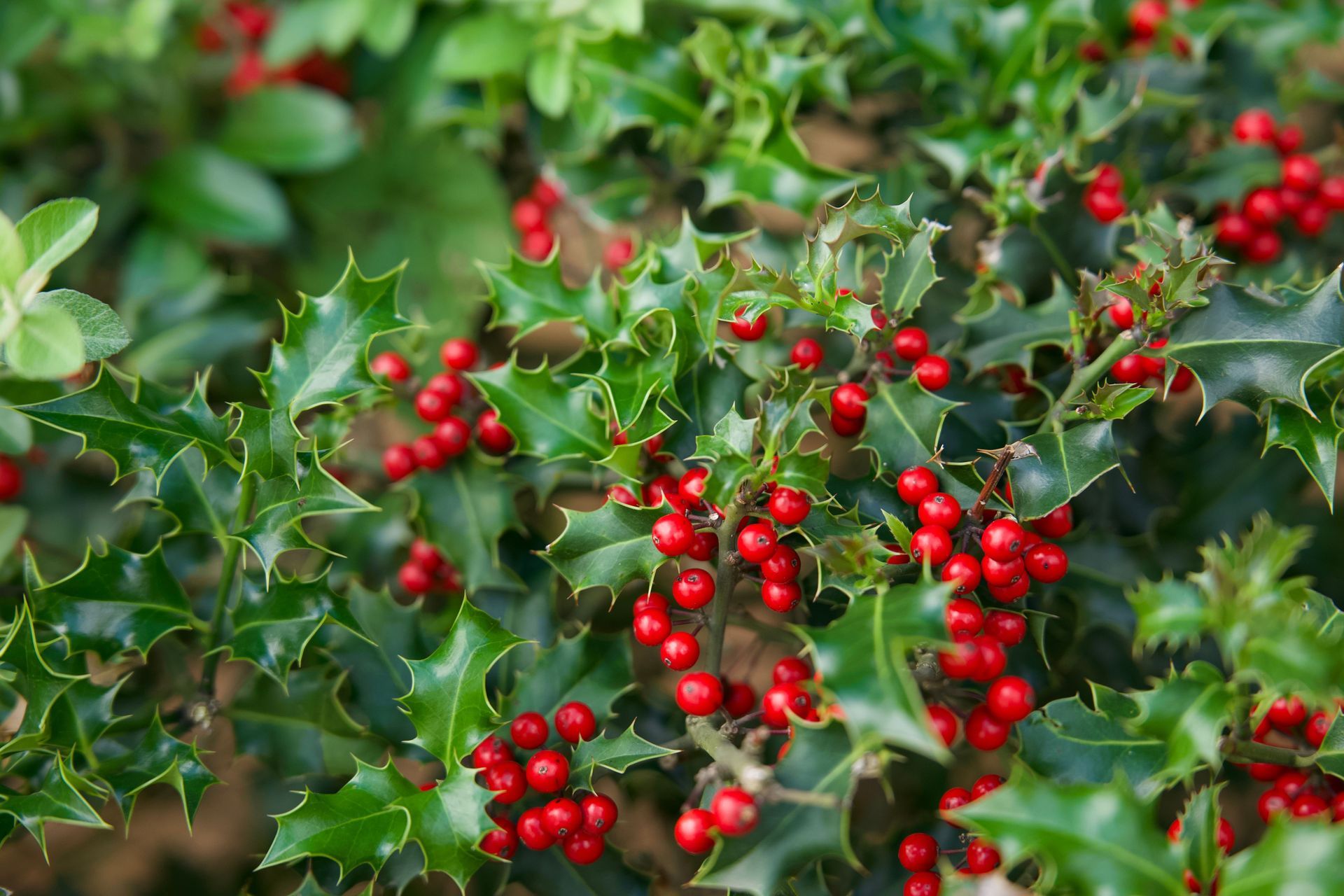
Glossy holly bush with green leaves and clusters of bright red berries
By Grant Cool July 14, 2026
Few plants pull off what holly does. Glossy evergreen leaves, bright winter berries, and a shape that works as a hedge, a specimen tree, or a foundation planting—holly gives you year-round beauty with surprisingly little fuss. It's no wonder homeowners keep reaching for it. At Aurora Tree Service, we help homeowners plant, shape, and care for holly so it thrives for decades. In this guide, you'll get the full rundown: the most popular varieties, how holly grows, the conditions it loves, how to plant and prune it, seasonal care tips, common problems to watch for, and how our team keeps your holly healthy and looking its best. What Are Holly Plants? Holly belongs to the genus Ilex, a large family of shrubs and trees found all over the world. Most people picture the classic evergreen version—deep green, spiny leaves paired with clusters of red berries—but holly comes in far more variety than that single image suggests. Some hollies grow into tall, pyramid-shaped trees. Others stay compact and rounded, perfect for tucking beside a doorway. A few even drop their leaves in fall. What ties them together is toughness, beauty, and a knack for holding their good looks through winter when most of the yard has gone bare. One important detail: most hollies are dioecious, meaning plants are either male or female. Only female plants produce berries, and they usually need a male plant nearby to pollinate them. If berries are your goal, you'll want both. Common Holly Varieties Choosing the right holly starts with knowing your options. Here are the varieties homeowners plant most often. American Holly (Ilex opaca) The native classic. American holly grows into a broad, pyramid-shaped evergreen tree that can reach 40 to 50 feet over time. It offers the traditional spiny leaves and red berries people love, and it handles a range of conditions well. This one makes a striking standalone specimen. English Holly (Ilex aquifolium) The holly of holiday cards. English holly features especially glossy, wavy-edged leaves and vivid berries. It's a bit more particular about climate than American holly but rewards you with a polished, ornamental look. Chinese Holly (Ilex cornuta) A tough, heat-tolerant option with distinctive leaves and large berries. Popular cultivars like 'Burford' produce heavy berry crops and can even fruit without a nearby male plant, which makes them a favorite for reliable winter color. Dwarf Hollies For smaller spaces, dwarf varieties are a gift. Japanese holly (Ilex crenata) has small, box-like leaves and works beautifully as a low hedge or edging. Compact cultivars like 'Compacta' and inkberry holly (Ilex glabra) stay tidy with minimal shaping. Winterberry (Ilex verticillata) The rule-breaker. Winterberry is deciduous, dropping its leaves in fall to reveal branches loaded with brilliant red berries. Against snow or a bare winter yard, the effect is stunning. Appearance and Growth Habits Holly's look depends heavily on the variety, but a few traits show up across the board. Leaves : Most evergreen hollies have thick, leathery, glossy foliage. Spines range from sharp and pronounced to nearly smooth, depending on the type. Berries : Female plants produce berries in red, orange, yellow, or even black. They ripen in fall and often persist through winter, feeding birds and brightening the landscape. Shape : Hollies grow as tall pyramids, rounded shrubs, or compact mounds. Growth is generally slow to moderate, which makes them easy to keep in bounds. Size : Options run from foot-tall dwarfs to towering 50-foot trees, so there's a holly for nearly any spot. That range is exactly why holly fits so many landscape roles. The trick is matching the right variety to the right space—something our team is happy to help you sort out. Ideal Growing Conditions and Soil Holly is forgiving, but it performs best when a few basic needs are met. Sunlight . Most hollies thrive in full sun to partial shade. More sun usually means denser growth and heavier berry production. Deep shade tends to leave plants thin and sparse. Soil . Holly prefers well-draining, slightly acidic soil with a pH around 5.0 to 6.0. Rich, loamy ground is ideal, but many varieties tolerate less-than-perfect conditions once established. Drainage . This is the big one. Holly hates wet feet. Soggy, poorly draining soil invites root rot and slow decline. If water pools where you want to plant, amend the soil or choose a better spot. Moisture . Consistent moisture helps young plants settle in. Once established, most hollies handle short dry spells well, though they appreciate a drink during extended drought. Planting Tips Getting holly off to a strong start sets it up for years of healthy growth. Pick the right season . Early spring or fall gives roots time to establish before extreme heat or cold sets in. Dig a proper hole . Make it two to three times as wide as the root ball but no deeper. The top of the root ball should sit level with or slightly above the surrounding soil. Space for the mature size . It's tempting to plant close together, but hollies need room to fill out. Check the mature dimensions of your variety and space accordingly. Add a male pollinator . If you want berries, plant a compatible male holly within about 30 to 50 feet of your female plants. Water and mulch . Water deeply after planting, then add a 2-to-3-inch layer of mulch to lock in moisture and protect the roots. Keep mulch a few inches back from the trunk. Pruning and Maintenance One of holly's best qualities is how little upkeep it demands. Still, thoughtful pruning keeps it healthy and handsome. Best timing : Late winter to early spring, before new growth appears, is ideal for most shaping. Light touch-ups can happen through the growing season. Why prune : Pruning removes dead or crossing branches, improves airflow, controls size, and encourages the dense growth that makes holly such a great hedge. Shaping : Hollies take well to shaping, from formal hedges to natural forms. Dwarf types especially reward regular light trimming. Don't overdo it : Avoid removing more than about a third of the plant in one season. Heavy cuts can stress the plant and reduce next year's berries. For large hollies, tall trees, or precise hedge shaping, professional pruning protects both the plant and you. Aurora Tree Service has the tools and know-how to prune safely and cleanly. Seasonal Care Holly's needs shift a little through the year. Here's a quick roadmap. Spring : Feed with a slow-release, acid-loving fertilizer as new growth begins. Handle major pruning now. Summer : Water during dry stretches, especially for younger plants. Keep an eye out for pests. Fall : Ease off fertilizing so the plant hardens off before winter. Enjoy the ripening berries. Winter : Established hollies handle cold well. In harsh, windy areas, young evergreen hollies may benefit from a little protection against winter burn. Common Problems to Watch For Even easygoing plants run into trouble now and then. Catch these early and holly stays healthy. Yellowing leaves (chlorosis) . Often a sign the soil is too alkaline, blocking iron uptake. Correcting soil pH or adding iron usually solves it. Overwatering and poor drainage can cause yellowing too. Pests . Watch for holly leaf miners (which leave winding trails inside leaves), scale insects, and spider mites. Regular inspection catches infestations before they spread. Diseases . Root rot from soggy soil is the most serious threat. Leaf spot and tar spot fungal issues can also appear, especially in crowded, poorly ventilated plantings. Good drainage and airflow prevent most problems. Leaf drop . Some interior leaf loss is normal as holly renews itself. Sudden, heavy drop usually points to stress from drought, waterlogging, or transplant shock. When something looks off and you're not sure why, a professional diagnosis saves time and guesswork. Our team can pinpoint the issue and recommend the right fix. The Landscape Value of Holly Holly earns its place in the yard in more ways than one. Year-round structure . Evergreen varieties stay green and full while everything else goes dormant. Winter color . Bright berries light up the coldest months and add cheer to the landscape. Privacy and screening . Dense growth makes holly an excellent natural hedge or property screen. Wildlife appeal . Birds feast on the berries, bringing life and movement to your yard. Versatility . From towering specimens to tidy borders, holly adapts to nearly any design. Common Mistakes to Avoid A few missteps trip up even well-meaning gardeners. Steer clear of these. Planting in soggy soil . Poor drainage is holly's number-one enemy. Always confirm the site drains well. Forgetting the male plant . No male pollinator nearby often means no berries on your female hollies. Crowding . Planting too close leads to poor airflow, disease, and a cramped look as plants mature. Heavy-handed pruning . Cutting too much at once stresses the plant and sacrifices berries. Wrong pH . Alkaline soil causes yellowing and weak growth. Test your soil and adjust as needed. Sidestep these, and your holly rewards you for years. Frequently Asked Questions Do all holly plants produce berries? No. Only female plants produce berries, and they usually need a male plant nearby to pollinate them. Some cultivars are more reliable fruiters than others. How fast do holly plants grow? Most grow slowly to moderately, adding roughly 12 inches or less per year depending on variety and conditions. That slow pace makes them easy to keep in shape. Are holly berries safe? Holly berries are toxic to people and pets if eaten, so plant with that in mind if you have small children or curious animals. Birds, however, eat them safely. When is the best time to prune holly? Late winter to early spring, before new growth starts, is ideal for major shaping. Light trims can happen anytime during the growing season. Why are my holly's leaves turning yellow? The usual culprits are alkaline soil (which blocks iron), overwatering, or poor drainage. A soil test helps identify the cause so you can correct it. Can holly grow in shade? It tolerates partial shade but does best in full sun to light shade. Too little light leads to sparse growth and fewer berries. Let Aurora Tree Service Help Your Holly Thrive Holly gives you evergreen beauty, winter color, and reliable structure with less effort than most plants. But choosing the right variety, planting it correctly, and keeping it healthy over the years goes smoother with expert help. That's where we come in. Aurora Tree Service helps homeowners plant, prune, shape, and maintain holly of every kind—from towering American holly to compact dwarf hedges. Whether you're adding a new specimen, shaping an established hedge, or troubleshooting yellowing leaves, our team has the experience to get it right. Contact Aurora Tree Service today to talk through your holly plants and discover how we can keep your landscape looking its best all year long. Meta Title: The Complete Guide to Holly Plants | Aurora Tree Service Meta Description: Aurora Tree Service breaks down holly plants—varieties, planting, pruning, care, and common problems. Get expert help keeping your holly healthy year-round.