Your Complete Guide to Growing and Caring for Conifers
Evergreen trees bring life to an otherwise barren winter landscape. When deciduous trees drop their leaves and go dormant, conifers stand tall, offering vibrant greens and deep blues against the grey winter sky. However, keeping these magnificent trees healthy requires more than simply planting them and walking away. Understanding the unique needs of cone-bearing trees helps you protect your landscaping investment. Every species has specific requirements for water, sunlight, and soil chemistry.
When you know exactly what your trees need, you can prevent diseases before they start and help your landscape thrive year-round. At Aurora Tree Service, we want to help you master conifer care. We created this comprehensive guide to walk you through everything you need to know about these resilient trees. You will learn how to identify different species, manage common pests, and implement the best maintenance routines for your property.
The Benefits of Conifers in Your Landscape
Adding evergreens to your yard provides much more than just simple visual appeal. These sturdy trees actively improve your property value and enhance your daily living experience. Before we dive into maintenance, let us explore why these trees make such excellent additions to any home.
Year-Round Color and Privacy
Most trees look spectacular in the spring and completely bare by late autumn. Conifers solve this landscaping problem by holding onto their needles throughout the entire year. This constant foliage creates a permanent visual anchor for your garden design, ensuring your yard always looks alive.
Furthermore, their dense branching structure makes them the perfect natural privacy fence. Planting a row of arborvitae or spruce trees completely blocks the view from neighboring houses. They also muffle loud street noise, turning your backyard into a quiet, secluded retreat.
Wildlife Habitat and Windbreaks
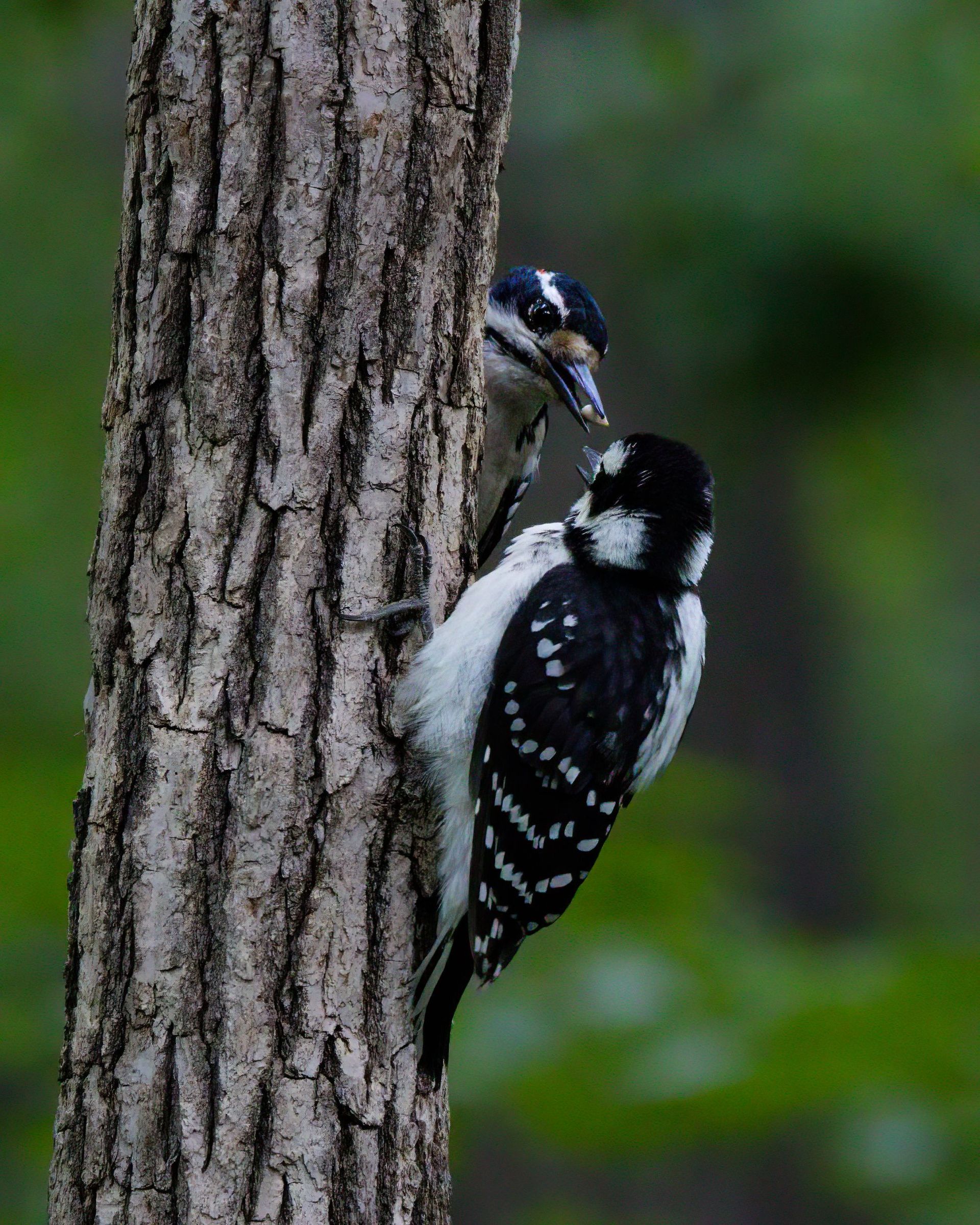
Birds and small mammals desperately need shelter during severe winter storms. The thick canopy of a conifer provides a warm, safe hiding place for local wildlife when the temperature drops. The cones also provide an essential food source for birds during the harsh winter months when food is scarce. From a practical standpoint, a strategic row of evergreens acts as a massive windbreak for your home. By blocking freezing winter winds, these trees actually lower your monthly heating bills. They stop the cold air from actively pulling heat away from your walls and windows.
Identifying Common Types of Conifers
People often look at a pine, a spruce, and a fir tree and simply call all of them "pine trees." However, correctly identifying your specific trees represents the first step in providing proper care. Each variety responds differently to pruning, watering, and soil conditions. Fortunately, you can easily tell these trees apart by closely examining their needles and branches.
Pines vs. Spruces
Pine trees feature long, soft needles that grow in distinct clusters or bundles. If you pluck a group of needles from a pine branch, you will typically find two, three, or five needles bound together at the base. Pine cones hang downward from the branches, and their bark often looks thick and scaly.
Spruce trees, on the other hand, have stiff, sharp needles that grow individually from the branch. If you grab a spruce branch, it will feel prickly in your hand. An easy trick to identify a spruce is to roll a single needle between your fingers. Spruce needles are square-shaped and roll easily, whereas pine needles are flat.
Firs and Cedars
Fir trees look very similar to spruces from a distance, but they feel completely different. Fir needles also grow individually, but they are flat and soft to the touch. They will not roll between your fingers. Fir cones also grow completely upright on the branches, pointing toward the sky rather than hanging down. Cedars stand out with their completely unique foliage. Instead of distinct needles, cedars feature flat, scaly leaves that look like tiny overlapping fans. They emit a strong, pleasant fragrance and feature stringy, reddish bark that easily peels away in strips.
Essential Care and Maintenance for Conifers
While conifers survive harsh environments in the wild, suburban trees face different challenges. Compacted soil, lawn chemicals, and restricted root zones put immense stress on your landscaping. Following a few simple maintenance routines keeps your evergreens strong and resilient.
Proper Watering Techniques
New trees require a tremendous amount of water to establish a strong root system. You should water newly planted conifers deeply once a week during their first two growing seasons. Use a slow-drip hose at the base of the trunk rather than a sprinkler. This ensures the water sinks deeply into the soil rather than evaporating. Mature trees generally survive on natural rainfall, but they still need help during summer droughts. If you go several weeks without rain, give your mature evergreens a slow, deep soaking. Never water the foliage directly, as wet needles encourage harmful fungal growth.
Pruning and Shaping
Conifers do not require the aggressive pruning that fruit trees or shade trees need. In fact, cutting too far back into the dead zone of a conifer branch will permanently stop new growth in that area. You should only prune these trees to remove dead, diseased, or broken branches. If you want to control the size or shape of your tree, prune it during the late winter while it remains dormant. You can lightly trim the soft new growth, called "candles," in the early spring to encourage a denser shape. Always use sharp, sterilized pruning shears to prevent spreading diseases between trees.
Soil Health and Fertilization
Evergreens generally prefer slightly acidic soil to absorb nutrients properly. If your soil contains too much alkaline, the needles will turn yellow and the tree will struggle to grow. A simple soil test helps you determine exactly what amendments your yard needs. Apply a slow-release, granular fertilizer specifically formulated for evergreens in the early spring. Spread the fertilizer evenly around the drip line of the tree, which is the area directly beneath the outer edge of the branches. Add a thick layer of organic mulch around the base to retain moisture and regulate soil temperature, but keep the mulch pulled away from the actual trunk to prevent rot.
Common Pests and Diseases
Even the healthiest trees occasionally fall victim to insects and fungal infections. Catching these problems early prevents catastrophic damage to your landscape. You should inspect your trees regularly for signs of distress.
Spider Mites and Bark Beetles
Spider mites are microscopic pests that suck the sap directly out of the needles. If your tree looks dull, dusty, or has fine webbing between the branches, you likely have a mite infestation. You can often wash them away with a strong blast from a garden hose, but severe cases require professional horticultural oils. Bark beetles pose a much more serious threat. These aggressive insects bore through the bark and lay eggs inside the trunk. They cut off the flow of water and nutrients, killing the tree from the inside out. Look for tiny holes in the trunk and small tubes of sap, called pitch tubes, bleeding down the bark.
Needle Cast and Fungal Infections
Fungal diseases thrive in damp, crowded conditions with poor air circulation. Rhizosphaera needle cast is a common fungus that attacks spruce trees, causing the inner needles to turn purple or brown and fall off. This leaves the tree looking completely bare near the trunk with green needles only at the branch tips. Preventing fungal infections starts with proper spacing when planting. Ensuring good airflow allows the needles to dry quickly after a rainstorm. If a fungus takes hold, you must apply professional fungicidal treatments early in the spring to protect the new growth.
How Aurora Tree Service Keeps Your Conifers Thriving
Diagnosing tree problems and applying the correct treatments requires specialized knowledge and equipment. You do not have to guess what your trees need or risk climbing a tall ladder with sharp tools. Aurora Tree Service provides the professional expertise required to protect your valuable evergreens.
Expert Diagnostics and Treatments
When you call our team, we send certified arborists to evaluate your property. We accurately identify the specific type of conifer and diagnose exactly what is causing its distress. We look past the obvious symptoms to find the root cause of the problem. Once we know what we are dealing with, we apply targeted, effective treatments. Whether your tree needs a specific deep-root fertilization blend, a safe insecticide application, or a customized watering schedule, we provide the exact solution required to restore its health.
Professional Pruning and Removal
Our crews know exactly how to prune evergreens safely without damaging their natural shape or stunting their growth. We carefully remove dead and diseased wood to improve airflow and halt the spread of infections. If a tree becomes too diseased to save or poses a structural threat to your home, we handle the removal process safely and efficiently. We use advanced rigging techniques to dismantle large trees without causing any damage to your surrounding landscaping or property.
Partner With Aurora Tree Service Today
Healthy conifers transform a standard yard into a vibrant, resilient landscape. They provide unmatched privacy, shelter for wildlife, and year-round beauty. However, they need a watchful eye and occasional professional care to reach their full potential. You deserve to enjoy your outdoor spaces without stressing over dying needles and aggressive pests. Let the experts take the guesswork out of your yard maintenance. Contact Aurora Tree Service today to schedule a comprehensive evaluation of your property. Our dedicated team is ready to provide the customized care, expert treatments, and professional pruning your conifers need to thrive for generations to come.
Meta Information
Meta title: Complete Guide to Conifer Care | Aurora Tree Service
Meta description: Learn how to identify, grow, and protect conifers in your landscape. Discover expert tree care tips, pest treatments, and advice from Aurora Tree Service.