By Grant Cool
•
August 4, 2026
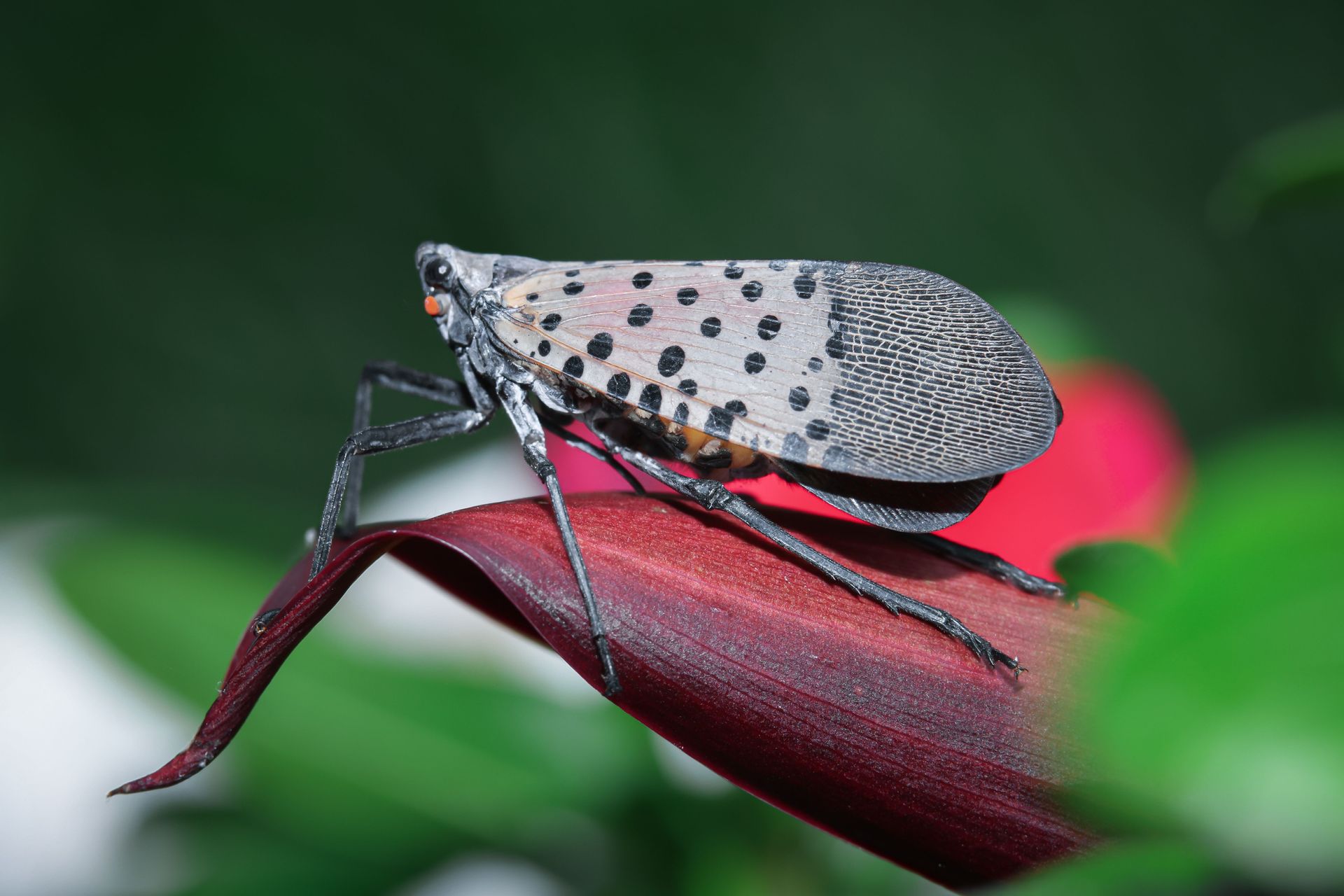
A single insect can change the health of your entire landscape. The spotted lanternfly is exactly that kind of threat—small enough to overlook, yet capable of stressing trees, coating your property in sticky residue, and spreading faster than most homeowners expect. The good news? Knowledge is your first line of defense, and that's where we come in. At Aurora Tree Service, we help property owners recognize this invasive pest, understand the damage it causes, and take smart, effective action. In this guide, you'll learn what the spotted lanternfly is, how to identify it through every life stage, which trees it targets, the warning signs to watch for, and the practical steps you can take. By the end, you'll know exactly what you're dealing with and how professional care makes the difference. What Is the Spotted Lanternfly and Where Did It Come From? The spotted lanternfly is an invasive planthopper native to parts of Asia, including China, India, and Vietnam. It first appeared in the United States around 2014 and has been spreading through region after region ever since. Despite the name, it isn't a fly at all—it's a sap-feeding insect that pierces trees and plants to drink their fluids. Because it has few natural predators here, its populations can explode quickly once it settles into an area. What makes this pest especially frustrating is how easily it hitches a ride. The insects lay their egg masses on almost any flat surface: tree bark, firewood, outdoor furniture, vehicles, and equipment. Move an infested item across town or across state lines, and you may unknowingly carry the problem with you. Worth knowing: The spotted lanternfly is a strong jumper but a weak flier. Most of its long-distance travel happens because people accidentally transport egg masses—which is why inspection and awareness matter so much. How to Identify the Spotted Lanternfly at Each Life Stage Spotting this pest early depends on knowing what it looks like as it grows. The spotted lanternfly changes appearance dramatically over a single season, so it helps to recognize each phase. Egg Masses (Fall Through Spring) Egg masses appear from late fall into spring and are easy to miss. Freshly laid, they look like a smear of gray or tan mud with a waxy coating. As that coating wears away, you'll see rows of small, seed-like eggs lined up in neat columns. A single mass can hold 30 to 50 eggs. Early Nymphs (Spring to Early Summer) The first nymphs are black with bright white spots, roughly the size of a pencil eraser. They're active climbers and often cluster on stems and leaves as they feed. Late Nymphs (Mid-Summer) As they mature, nymphs turn a striking red with black markings and white spots. They're larger now and more noticeable, especially in groups. Adults (Late Summer Through Fall) The adult is the stage most people recognize. At rest, it shows grayish forewings dotted with black spots. When it opens its wings, a flash of bright red with black and white patches appears underneath. Adults are about an inch long and become highly visible in late summer, when they gather in large numbers and begin laying eggs. Worth knowing: If you find one adult, there are almost certainly more nearby. These insects rarely travel alone, so a single sighting is a signal to look closer. Which Trees and Plants Are Most at Risk The spotted lanternfly feeds on more than 70 species of plants, which is part of what makes it so damaging. That said, certain hosts sit squarely at the top of its menu. Tree of Heaven (Ailanthus altissima). This invasive tree is the pest's preferred host and a magnet for infestations. Where it grows, lanternflies tend to follow. Fruit trees. Apple, cherry, plum, and peach trees are frequent targets, which makes this pest a serious concern for orchards and backyard growers alike. Grapevines. Vineyards face heavy losses, as lanternflies swarm and weaken the vines. Hardwoods. Maple, walnut, willow, and birch are all vulnerable and common across residential properties. Ornamentals and other plants. Hops, roses, and a range of landscape plants can also come under attack. Because so many valuable trees appear on this list, no property owner should assume they're in the clear. The Damage This Pest Causes The spotted lanternfly doesn't chew leaves or bore into wood the way some pests do. Instead, it inserts its mouthparts and drains sap—and that quiet feeding creates a chain of problems. Tree stress and decline. Feeding in large numbers robs a tree of the resources it needs. Over time, this can lead to reduced growth, wilting, dieback, and weakened resistance to other threats. Sticky honeydew. As the insects feed, they excrete a sugary substance called honeydew. It coats leaves, branches, decks, patios, and anything beneath the infestation, leaving a sticky mess that attracts wasps and other insects. Sooty mold. Honeydew fuels the growth of a black fungus called sooty mold. This mold blankets surfaces, blocks sunlight from reaching leaves, and further stresses the plant while creating an unsightly buildup. Compounded vulnerability. A tree already weakened by lanternfly feeding becomes an easier target for disease and other pests, accelerating its decline. Signs of Infestation to Watch For Catching an infestation early gives you far more control. Keep an eye out for these telltale clues on and around your trees. Visible insects. Clusters of nymphs or adults on trunks, stems, and branches are the clearest sign. Egg masses. Gray, mud-like patches on bark, fences, or outdoor surfaces point to next season's population. Sticky surfaces. A shiny, tacky film on leaves, furniture, or pavement beneath a tree signals honeydew. Black sooty mold. Dark, sooty patches on trunks, leaves, or the ground below often follow heavy feeding. Weeping sap. Wounds where insects feed may ooze sap and give off a slightly fermented smell. Increased insect activity. Wasps, bees, and ants drawn to honeydew can hint at an infestation you haven't spotted yet. Steps Homeowners Can Take You're not powerless against this pest. A few consistent habits go a long way toward protecting your property. Learn to identify it. Simply knowing what egg masses, nymphs, and adults look like puts you ahead of most infestations. Scrape egg masses. In fall and winter, carefully scrape egg masses into a bag or container with rubbing alcohol or hand sanitizer to destroy them before they hatch. Remove Tree of Heaven where appropriate. Since this invasive tree draws lanternflies, managing it can reduce their presence. This is best handled with professional guidance. Inspect before you move things. Check vehicles, firewood, furniture, and equipment for egg masses before transporting them, especially between regions. Report sightings. In many areas, local agriculture departments track this pest. Reporting helps regional management efforts. Act early. The moment you suspect an infestation, reach out for a professional assessment rather than waiting to see how bad it gets. Worth knowing: Store-bought sprays and DIY traps often fall short against heavy populations and can harm beneficial insects if used carelessly. A targeted, professional approach protects your trees and your surrounding ecosystem. How Professional Tree Service Plays a Key Role Understanding the spotted lanternfly is one thing—managing it effectively across a full property is another. That's where our expertise earns its place. At Aurora Tree Service, we bring a trained eye to every inspection. We identify infestations early, assess how much stress your trees are carrying, and pinpoint the host plants driving the problem. From there, we build a management plan suited to your specific landscape rather than a one-size-fits-all fix. Our team applies proven, targeted treatments that address the pest while safeguarding the health of your trees. We handle the removal of high-risk host trees safely, manage egg masses across hard-to-reach areas, and monitor your property over time so a knocked-back infestation doesn't quietly return. Just as important, we help you understand what's happening on your land, so you can make confident decisions season after season. The spotted lanternfly is persistent, but so are we. Combining professional treatment with the right long-term strategy gives your trees the strongest possible defense. Frequently Asked Questions Is the spotted lanternfly dangerous to people or pets? No. It doesn't bite or sting, and it poses no direct threat to humans or animals. The danger is to your trees, plants, and the surfaces coated by its honeydew. Will the spotted lanternfly kill my trees? It can, though outcomes vary. Healthy hardwoods often survive with proper care, while grapevines and some fruit trees are far more vulnerable. Prolonged, heavy feeding weakens any host and leaves it open to further decline. Should I remove Tree of Heaven from my property? Often, yes, since it's the pest's favorite host. That said, removal should be done carefully and with professional guidance, as improper cutting can actually encourage the tree to regrow more aggressively. Can I get rid of the spotted lanternfly on my own? You can help by scraping egg masses and staying alert, but heavy infestations usually call for professional treatment. Doing it right protects your trees and avoids harming beneficial insects in the process. When is the best time to treat for spotted lanternfly? Management works year-round in different ways—scraping egg masses in the colder months and targeting nymphs and adults through the growing season. An assessment helps determine the right timing for your property. How do I know if I have an infestation? Look for the insects themselves, gray egg masses, sticky honeydew, and black sooty mold. If any of these show up, a professional inspection will confirm the extent of the problem. Protect Your Trees With Aurora Tree Service The spotted lanternfly spreads quickly, feeds relentlessly, and threatens some of the most valuable trees on your property. But with early identification, smart action, and expert support, you can keep this invasive pest in check and your landscape thriving. That's exactly what we do best. Aurora Tree Service helps you recognize the threat, assess the damage, and put a proven management plan in place—backed by the knowledge and skill your trees deserve. From inspection to treatment to long-term monitoring, we stand with you through every season. Contact Aurora Tree Service today to schedule an inspection or talk through your concerns—and let's protect your trees before this pest takes hold. Meta Title: Spotted Lanternfly on Your Property? Here's What You Need to Know | Aurora Tree Service Meta Description: Learn to identify the spotted lanternfly, the trees it threatens, and the damage it causes. Aurora Tree Service helps you spot, manage, and stop this invasive pest.