
Animals and Pests That Damage Trees — and How Aurora Tree Service Can Help

Grant Cool • June 8, 2026

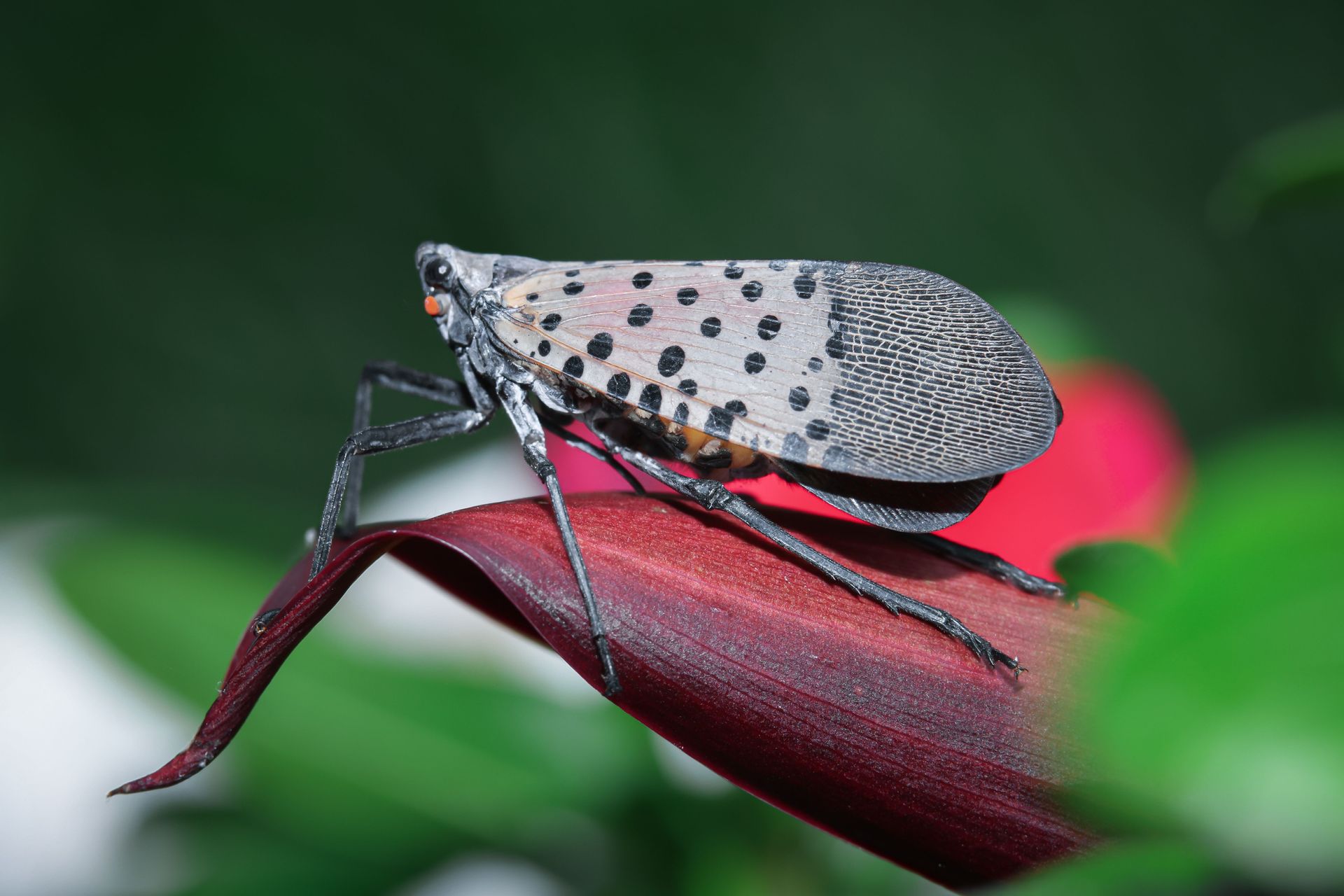
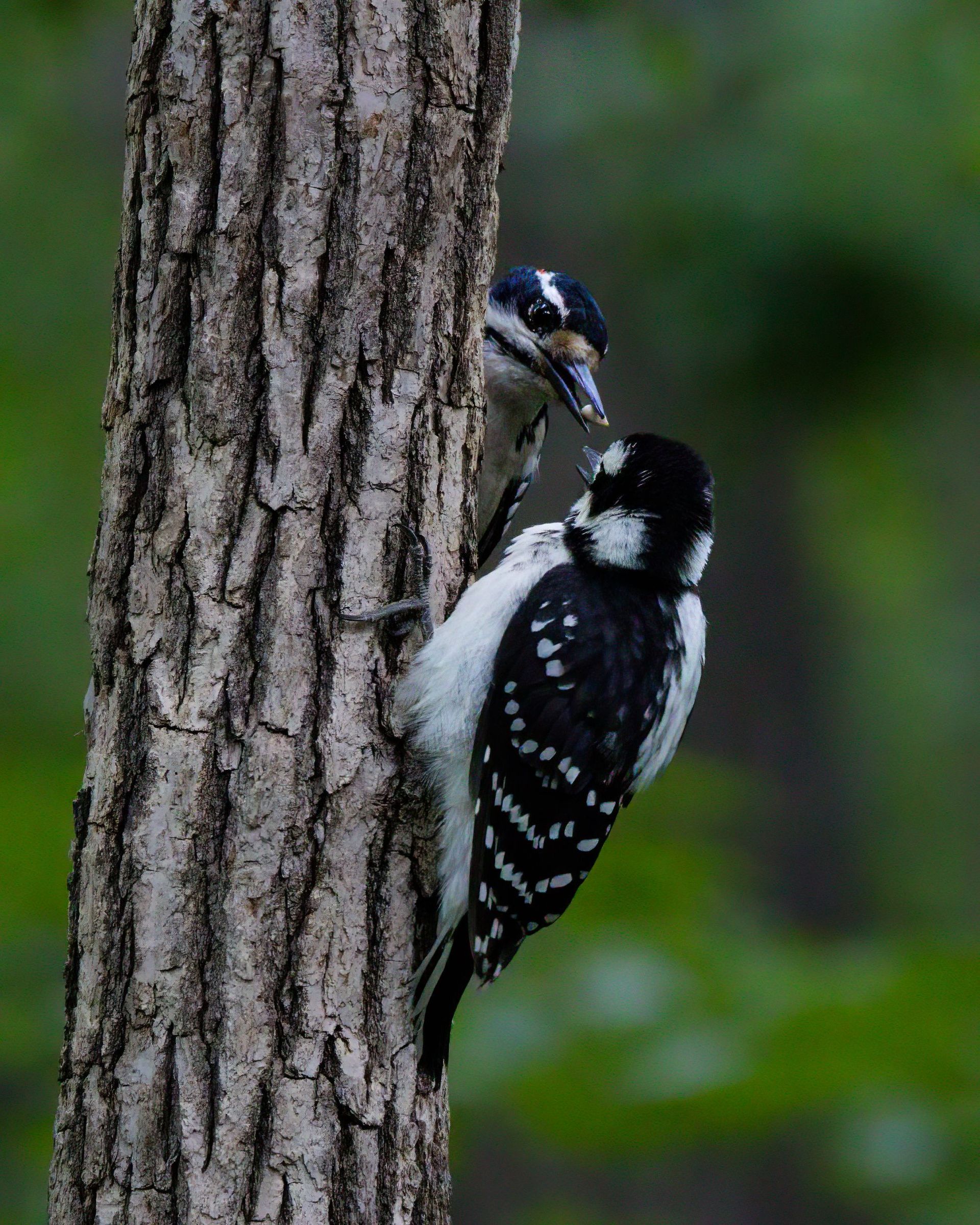
Your trees add beauty, shade, and value to your property. But they also face threats that are easy to miss until the damage is already serious. Animals and insects can quietly destroy a tree from the inside out, and by the time you notice something is wrong, the problem may have been progressing for months. Aurora Tree Service helps property owners identify what is harming their trees, diagnose the root cause, and take the right action before small problems become permanent losses. Here is what to watch for — and why early identification makes all the difference.


Why Identifying Tree Threats Early Matters

Trees do not heal the way people do. When bark is stripped, wood is bored through, or roots are damaged, that tissue does not regenerate. A tree that loses too much of its vascular system — the layer just beneath the bark that moves water and nutrients — cannot recover no matter how much care it receives afterward. Early identification gives you options. A tree with fresh borer activity can often be treated. A tree that has been hollowed by beetles for three seasons likely cannot. Catching the problem at the first signs of damage is the most cost-effective, and tree-saving, move you can make.


Common Animals That Damage Trees


Deer

Deer cause two distinct types of tree damage, and both are serious. The first is browsing — deer eating young leaves, buds, and shoots from low-hanging branches. This stunts growth and can permanently alter the shape of a young tree. The second is antler rubbing. Male deer scrape their antlers against tree trunks during late summer and fall, stripping bark and exposing the wood beneath. That exposed wood becomes an entry point for disease and insects.


Signs to look for: Bark stripped in vertical patches at roughly knee-to-waist height, jagged browse lines on lower branches, or torn and shredded bark rather than cleanly cut damage.


Rabbits

Rabbits gnaw on the base of tree trunks, particularly in winter when other food sources are scarce. They target thin-barked trees — fruit trees, young ornamentals, and newly planted saplings are especially vulnerable. A rabbit can girdle a small tree by chewing all the way around the trunk, which cuts off the flow of nutrients and kills the tree entirely.


Signs to look for: Clean, angled bite marks on bark near the base of the trunk, usually within 18 inches of the ground. Fresh damage looks pale and raw; older damage will show discoloration or dried edges.


Squirrels

Squirrels strip bark from branches and trunks, sometimes to access the cambium layer underneath during food-scarce seasons. They also cache food by burying it near tree roots, which can damage shallow root systems over time. Branch stripping, if extensive, weakens structural integrity and leaves trees more vulnerable to storm damage.


Signs to look for: Scattered patches of missing bark on upper branches, chewed twigs, and exposed wood on limbs. Squirrel damage tends to appear on multiple points of the canopy rather than concentrated at the base.


Insects and Pests That Harm Trees


Bark Beetles

Bark beetles are one of the most destructive tree pests in North America. They bore into the bark of stressed or weakened trees and lay eggs just beneath the surface. As larvae develop, they tunnel through the cambium layer in distinctive patterns, cutting off the tree's ability to move water and nutrients. By the time visible symptoms appear — yellowing needles, pitch tubes, or sawdust-like frass at the base of the trunk — the infestation is often well advanced.


Signs to look for: Small entry holes in the bark, sawdust or resin tubes on the trunk surface, yellowing or reddening foliage, and winding gallery patterns visible when bark is peeled back.


Wood-Boring Beetles and Emerald Ash Borer

Wood-boring beetles tunnel into the heartwood of trees, creating extensive internal damage. The emerald ash borer, in particular, has devastated ash tree populations across the country. These insects are difficult to detect in early stages because most of their activity happens beneath the bark.


Signs to look for: D-shaped exit holes in the bark, S-shaped tunneling patterns under the bark, canopy dieback starting at the top of the tree, and bark that splits or falls away as larval galleries expand.


Aphids

Aphids feed by piercing leaves and stems to extract sap. A small colony causes limited harm, but large infestations weaken trees by draining nutrients and stunting growth. Aphids also secrete honeydew, a sticky substance that coats leaves and encourages sooty mold growth, further reducing the tree's ability to photosynthesize.


Signs to look for: Curled, yellowed, or distorted leaves; sticky residue on leaves and surfaces beneath the tree; black sooty mold on leaf surfaces; and visible clusters of small soft-bodied insects on new growth or the undersides of leaves.


Spider Mites

Spider mites are not insects — they are arachnids — but they cause significant damage to trees and shrubs during hot, dry weather. They feed on leaf tissue by puncturing cells and extracting the contents, leaving behind a characteristic stippled or bronzed appearance. Severe infestations cause premature leaf drop and prolonged stress that weakens a tree's defenses. Signs to look for: Fine webbing on leaves and stems, a dusty or bronzed appearance to foliage, tiny moving specks on leaf undersides when examined closely, and leaf drop during the growing season.


Scale Insects

Scale insects attach themselves to bark and stems, feeding on plant sap through a protective shell that makes them look more like a growth or discoloration than an insect. They can be easy to overlook, but large populations weaken branches and can kill significant portions of a tree over time. Signs to look for: Crusty or waxy bumps on bark and stems, yellowing leaves, branch dieback, and sticky honeydew deposits similar to those left by aphids.


Signs Your Tree May Be Under Attack

Regardless of the specific pest or animal, a few general warning signs suggest something is damaging your tree:

  • Unusual leaf discoloration — yellowing, browning, or bronzing outside of normal seasonal changes
  • Premature leaf drop — losing leaves well before fall, or thinning canopy in the growing season
  • Bark damage — holes, missing sections, cracks, or discoloration on the trunk or branches
  • Dieback at the top — when a tree starts dying from the crown downward, it often signals a serious issue with water or nutrient movement
  • Visible pests — insects, larvae, or webbing on leaves, bark, or soil near the base
  • Structural weakness — branches that snap unexpectedly or trunk areas that sound hollow when tapped

Any one of these signs warrants a closer look. Multiple signs appearing at once should prompt an immediate inspection.


Why Proper Identification Matters Before Treatment

Not every treatment works on every pest, and applying the wrong response can waste time, money, and potentially harm the tree further. A pesticide treatment aimed at aphids will not stop bark beetles. Physical barriers that deter deer will not address an active borer infestation. Accurate identification is the foundation of effective tree care. Aurora Tree Service uses trained arborists who know what to look for, how to distinguish one type of damage from another, and which conditions make certain pests more likely. That precision leads to targeted solutions — not guesswork.


How Aurora Tree Service Can Help

Aurora Tree Service provides comprehensive tree inspections designed to catch both visible and hidden damage. Our team examines the full tree — from root zone to canopy — looking for signs of pest activity, wildlife damage, disease, and structural stress. When we identify a problem, we do not just name it. We explain what is happening, why it matters for your specific tree, and what your realistic options are. That might mean a targeted treatment plan, physical barriers to deter wildlife, soil care to strengthen a stressed tree's natural defenses, or in serious cases, removal before the damage spreads to neighboring trees.


We also help property owners build a proactive maintenance approach that makes trees less attractive to pests in the first place. Healthy, well-maintained trees are significantly more resistant to both insect infestation and wildlife damage. Regular inspections catch problems when they are still manageable — before the damage becomes irreversible.


Protect Your Trees Before the Problem Gets Worse

Animal and insect damage rarely stops on its own. A small aphid colony becomes a large one. A few bark beetle entry holes become a network of galleries destroying the cambium. One season of deer rubbing leaves a wound that invites disease for years. The sooner you act, the more options you have. Contact Aurora Tree Service today to schedule a tree inspection. Our team will identify what is threatening your trees, explain your options clearly, and help you take the right steps to protect your property's most valuable living assets.
Ivy-covered stone building facade with rows of tall windows and brick trim
By Grant Cool June 3, 2026
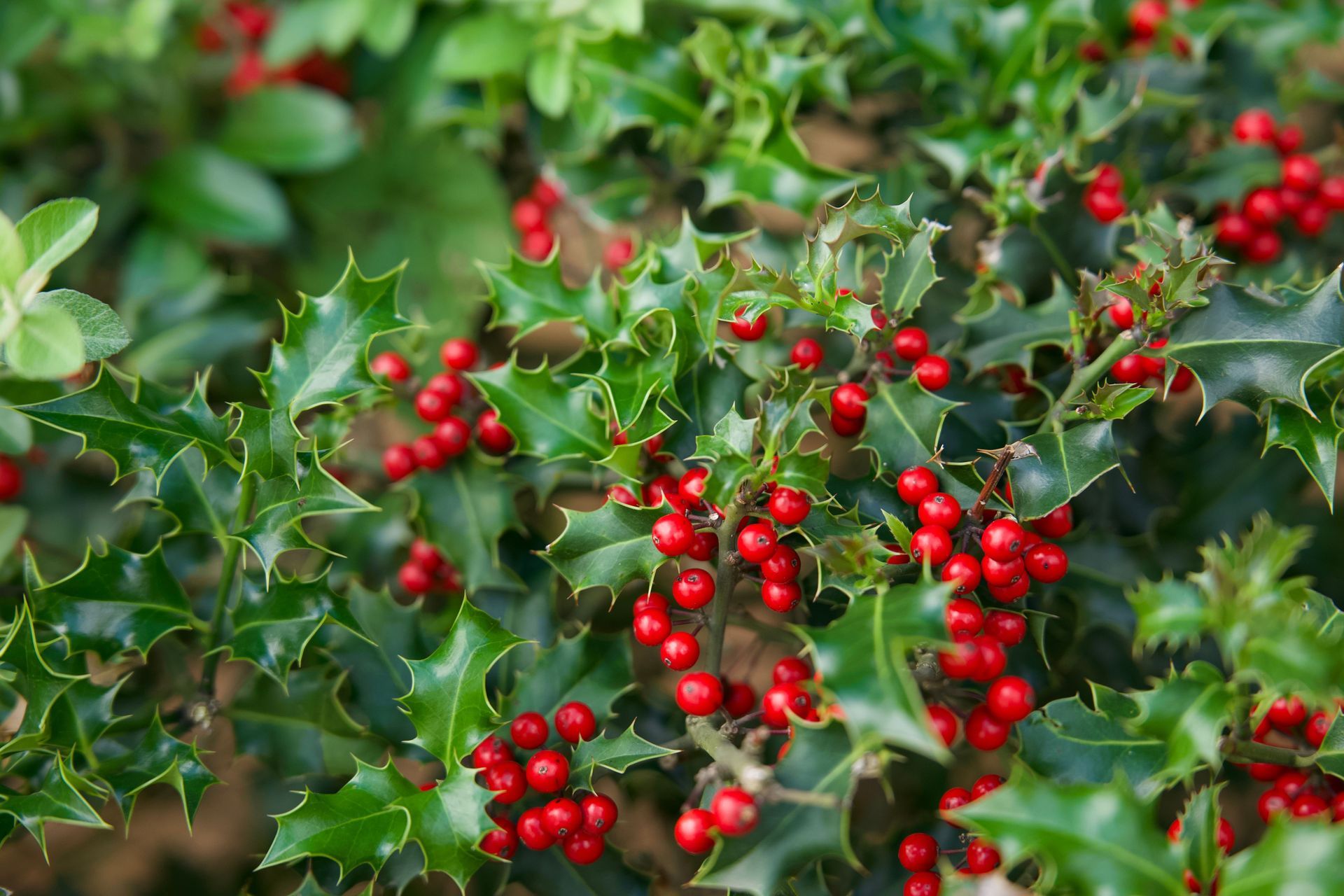
Ivy has a way of making almost any yard look lush and established. It creeps along fences, climbs stone walls, and fills in bare patches of ground with a carpet of dense green. But that charming appearance can hide some real problems. At Aurora Tree Service, we help homeowners take a closer look at the ivy growing on their property and decide whether it deserves a place in their landscape or needs to go. The Benefits of Ivy Ivy is not without its merits. When managed properly, it offers several genuine advantages for your yard. Ground Cover and Erosion Control Ivy spreads quickly and establishes deep root systems that hold soil in place. On slopes or bare patches where grass struggles to grow, ivy provides a reliable, low-maintenance alternative. It stabilizes the ground and reduces the amount of soil that washes away during heavy rain. Aesthetic Appeal Few plants deliver that classic, timeless look the way ivy does. It softens hard edges, adds texture to plain walls, and creates a sense of depth in any garden. Many homeowners love the way it brings a structured, mature feel to a landscape without requiring much effort. Temperature Insulation Ivy growing on exterior walls can act as a natural insulating layer. It creates a small buffer against temperature extremes, potentially keeping walls slightly cooler in summer and reducing heat loss in winter. Wildlife Habitat Dense ivy patches provide shelter for small birds and insects. If supporting local wildlife is a priority for you, ivy can contribute meaningfully to your yard's ecosystem. The Drawbacks of Ivy Here is where the conversation gets more complicated. Ivy grows aggressively, and without regular attention, it can cause serious harm to your trees, structures, and surrounding plants. Damage to Trees This is one of the most significant concerns we see at Aurora Tree Service. When ivy climbs a tree, it does not stop. Over time, the weight of thick ivy growth can stress branches and make trees more vulnerable to storm damage. Ivy also traps moisture against the bark, creating ideal conditions for rot, fungal disease, and insect infestation. It can hide serious structural problems in a tree until it is too late to address them safely. Structural Damage On walls, fences, and foundations, ivy attaches itself using tiny rootlets that work their way into cracks and crevices. As the plant grows, those rootlets expand and widen existing gaps. On older brick or mortar, this can accelerate deterioration significantly. Removing ivy from a wall after years of growth often damages the surface beneath it. Pest Concerns The dense, moist environment ivy creates is a welcoming habitat for pests you probably do not want near your home. Rodents, ticks, mosquitoes, and certain insects thrive in thick ivy beds. If your ivy grows close to your foundation, it can attract unwanted visitors indoors. Invasive Spread Ivy does not respect property lines or planting boundaries. Left unmanaged, it will smother smaller plants, spread into wooded areas, and outcompete native vegetation. In many regions, certain ivy varieties are classified as invasive species for exactly this reason. Once it takes hold, controlling it requires real effort. Maintenance Challenges Ivy is not as low-maintenance as it appears. Keeping it from overtaking trees, climbing structures, or spreading beyond its intended area requires consistent trimming. Neglecting it for even one season gives it the opportunity to spread considerably further than you intended. When to Call a Professional Not all ivy situations are alike. In some cases, a small, well-contained ivy bed along a fence adds genuine value to your property. In others, unchecked growth is quietly damaging your trees and pulling apart your foundation. The difference matters, and it is not always obvious from the outside. Aurora Tree Service evaluates the full picture. We assess whether ivy growing near or on your trees is posing a risk to their health, identify any structural concerns around your home, and help you decide whether the ivy stays with a management plan or needs to be removed entirely. We also handle safe removal when needed, making sure the underlying trees and surfaces are left in the best possible condition. Get a Professional Opinion Before Ivy Decides for You Ivy grows on its own schedule. The longer it goes unexamined, the more leverage it gains over your trees and structures. A quick evaluation now can save you from far more complicated and costly problems later. Contact Aurora Tree Service today to schedule a property assessment. We will give you an honest, expert look at how ivy is affecting your landscape and recommend the right path forward.
Moss-covered tree trunk and roots in a lush green forest
By Grant Cool May 26, 2026
Every strong, towering tree relies on a hidden foundation. While we often admire the thick trunk and sprawling green branches, the true health of a tree always starts underground. The root system gathers water, absorbs vital nutrients, and anchors the tree firmly against strong winds. When the roots struggle, the entire tree suffers. At Aurora Tree Service, we help you protect this vital underground network. We monitor your soil and prevent common root issues before they cause permanent damage above ground. Why Root Health Matters A tree uses its roots like a giant sponge. Fine feeder roots pull moisture and minerals from the earth, sending them all the way up to the highest leaves. If this system fails, the tree slowly starves. You might notice dead branches, yellowing leaves, or a thinning canopy. By the time these visual signs appear, the root system has usually been struggling for a long time. Maintaining strong roots ensures your trees grow fast, resist disease, and stand tall during heavy storms. Common Root Problems That Threaten Your Trees Many property owners accidentally damage their trees because they cannot see what happens below the grass. We frequently help homeowners correct three major root problems. Soil Compaction Heavy foot traffic, parked cars, and heavy lawn equipment pack the dirt down tightly over time. This squeezing action destroys the tiny air pockets that roots need to breathe. Compacted soil completely blocks water and oxygen, essentially suffocating the tree from the bottom up. Root Rot Poor drainage and overwatering create soggy, waterlogged soil. Harmful fungi thrive in these overly wet conditions and quickly attack the root system. As root rot spreads, the roots turn to mush. The tree loses its ability to absorb nutrients, which causes the canopy to thin out and turn brown. Girdling Roots Sometimes, roots grow in a tight circle around the base of the trunk rather than spreading outward. As the trunk expands over the years, these girdling roots act like a tight belt. They literally choke off the flow of water and sap. This restriction leads to early leaf drop and severe structural weakness. How Aurora Tree Service Protects Your Roots You do not have to guess about the health of your soil. Aurora Tree Service provides the professional care required to keep your underground systems thriving. Comprehensive Health Assessments We inspect the base of your trees to spot early warning signs of root stress. Our experts evaluate your soil moisture, check for signs of decay, and look for visible girdling roots at the surface. Professional Soil Aeration If your soil is too dense, we use specialized tools to safely loosen the tightly packed earth. This aeration process restores critical airflow and allows water to penetrate deep into the active root zone, giving the tree exactly what it needs to recover. Corrective Root Pruning When we find girdling roots, our trained arborists carefully cut them away. We remove the choking hazard using precise techniques that protect the healthy parts of the root system. This allows the trunk to expand naturally and safely. Secure the Future of Your Landscape A beautiful, leafy canopy requires constant attention below the surface. By keeping the root system healthy, you ensure your trees remain vibrant and strong for decades. Do not wait for heavy branches to die before you check the ground beneath them. Contact Aurora Tree Service today to schedule a thorough root health evaluation. Let our expert arborists provide the specific care your trees need to thrive from the ground up.
Red autumn trees arch over a sunlit path in a park-like hillside setting.
By Grant Cool May 19, 2026
When the intense heat of summer fades, a massive transformation takes place in your yard. The deep greens of your canopy give way to brilliant shades of red, orange, gold, and purple. A vibrant fall landscape completely changes how your property looks and feels. However, getting those rich colors to appear year after year requires more than just luck. At Aurora Tree Service, we help homeowners understand exactly how and why trees produce these spectacular autumn colors . We also guide you through the process of selecting, planting, and maintaining the right species to create a breathtaking seasonal display. In this guide, we will cover exactly how to build a vibrant autumn landscape. You will learn: The natural science behind why leaves change color. The best tree species for striking fall foliage. How proper maintenance directly impacts the brightness of your leaves. The Fascinating Science Behind Autumn Colors To get the best colors in your yard, it helps to understand what happens inside the leaf. Leaves do not actually gain new colors in the fall. Instead, they reveal pigments that hide beneath the surface all summer long. The Dominance of Chlorophyll During the spring and summer, leaves act as tiny food factories. They use a pigment called chlorophyll to capture sunlight and turn it into energy. Chlorophyll appears bright green. Because trees produce so much of it during the growing season, the green color covers up every other pigment inside the leaf. Revealing the Hidden Pigments As the days get shorter and the nights get cooler, trees realize winter is coming. They stop making food and prepare to rest. Consequently, the chlorophyll breaks down and the green color quickly fades away. When the green disappears, you finally see the other pigments that were there the whole time. Carotenoids create the brilliant yellows and bright oranges. Meanwhile, the tree produces a new set of pigments called anthocyanins as the weather cools. These anthocyanins create the deep reds and striking purples that make autumn so famous. How Weather Controls the Show The brightness of your fall foliage depends heavily on the weather. A dry summer followed by a warm autumn can delay the color change and make the leaves look dull. The most spectacular autumn displays happen when you get a wet spring, a mild summer, and cool fall nights. Takeaway: You cannot control the weather, but you can control how healthy your trees are before autumn arrives. Healthy trees consistently produce better colors. Top Trees for the Most Striking Fall Foliage If you want a yard that stands out in October and November, you must plant the right species. Walking into a nursery and picking a random tree rarely gives you the vibrant reds and golds you want. We help our clients identify the exact trees that thrive in their specific soil while delivering an amazing autumn show. Maples for Brilliant Reds and Oranges When people think of fall colors, they usually picture a maple tree. Sugar maples produce stunning shades of yellow, orange, and bright red, often on the exact same tree. Red maples live up to their name by turning a deep, vivid scarlet. These trees act as the perfect centerpiece for any front yard. Oaks for Deep Reds and Rich Browns Oak trees provide massive canopies and incredible shade. In the fall, species like the scarlet oak and red oak turn a deep, crimson red. Later in the season, the leaves transition into rich, warm browns. Because oaks hold onto their leaves longer than many other species, they extend your autumn viewing season significantly. Ginkgo Biloba for Bright Gold If you want a massive pop of yellow, the ginkgo tree is the perfect choice. The unique, fan-shaped leaves turn a brilliant, glowing gold in the late fall. When the leaves finally drop, they fall almost all at once, creating a beautiful golden carpet around the base of the tree. Dogwoods for Purple and Crimson You do not need a massive shade tree to get great fall color. The flowering dogwood stays relatively small, making it perfect for tight spaces. While famous for its spring flowers, the dogwood also turns a rich reddish-purple in the autumn. How Aurora Tree Service Builds Your Autumn Landscape Building a colorful yard takes careful planning. A tree that looks great in a catalog might struggle in your specific soil. Our arborists remove the guesswork from the process so your landscape thrives. Expert Tree Selection Before we recommend a tree, we test your soil and look at how much sunlight your yard gets. Certain trees need highly acidic soil to produce their best red colors. If you plant them in basic soil, the leaves will look washed out. We match the exact needs of the tree to the natural conditions of your property. Strategic Planting for Maximum Sun Sunlight plays a massive role in creating bright red and purple leaves. If you plant a red maple in the deep shade, it will struggle to produce those vivid colors. We map out your yard to find the spots that receive the bright, direct autumn sunlight needed to trigger the color change. Maintaining Your Trees for Vibrant Fall Displays A stressed tree will drop its leaves long before they have a chance to change color. To get a great autumn show, you must keep your trees healthy all year long. Aurora Tree Service provides the ongoing care required to protect your investment. Deep Watering During Summer Droughts A severe summer drought destroys autumn colors. When a tree lacks water, it shuts down early to survive. We help you set up deep watering schedules during the hottest months. By pushing moisture deep into the root zone, we keep the tree fully hydrated and actively growing until the fall triggers arrive. Proper Nutritional Support Trees need specific nutrients to produce the pigments that create fall colors. We apply high-quality, slow-release fertilizers that feed the roots exactly what they need. We also use natural organic mulch to insulate the roots and lock moisture into the ground. Pruning for Canopy Health A thick canopy produces the most color. We perform structural pruning to remove dead or diseased branches that drain energy from the tree. By thinning out the heavy areas, we allow sunlight to reach the inner leaves. This ensures the entire tree changes color, not just the outside edges. Transform Your Yard This Autumn You deserve a landscape that changes beautifully with the seasons. By understanding the science of autumn colors and planting the right species, you can turn a basic yard into a stunning natural display. You just need the right guidance to keep those trees healthy and vibrant. Take control of your landscape today. Contact Aurora Tree Service for a full property evaluation. Let our expert arborists help you select, plant, and maintain the perfect trees for a breathtaking autumn show.